The Theban Alphabet
The Theban alphabet is a cipher. There is one character for each letter, and it spells ordinary words in a hand nobody else can read — which is what it was made for. Johannes Trithemius printed it first, in the Polygraphia of 1518, a book about writing in secret. His pupil Agrippa reproduced it fifteen years later in the third book of De occulta philosophia, and the characters here are traced from that 1533 plate.
Trithemius credited the alphabet to Honorius of Thebes, on the authority of Pietro d’Abano. It appears in nothing d’Abano is known to have written, and he had been dead two hundred years when the Polygraphia was printed. The one manuscript of Honorius that does carry the alphabet, Sloane 3853 in the British Library, names Agrippa as its source. The only evidence for the attribution turns out to have been copied back out of the book that made it.
It is often called the witches’ alphabet. That name is twentieth-century. The alphabet belongs to Renaissance cryptography, and its use in witchcraft — most often for writing a Book of Shadows — came in with Wicca, four hundred years after it was printed. Nothing about it is ancient Egyptian either, whatever Thebes suggests.
24 characters, free to browse and free to keep
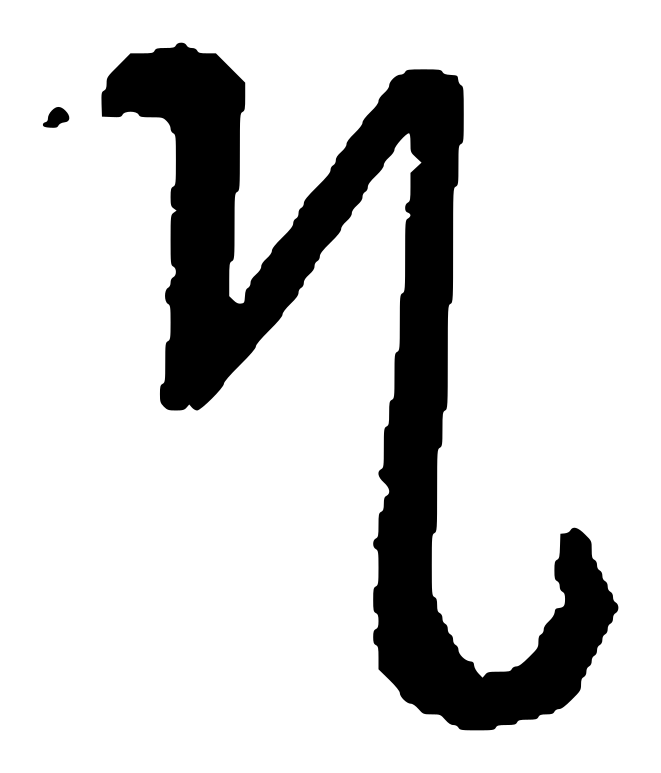 A
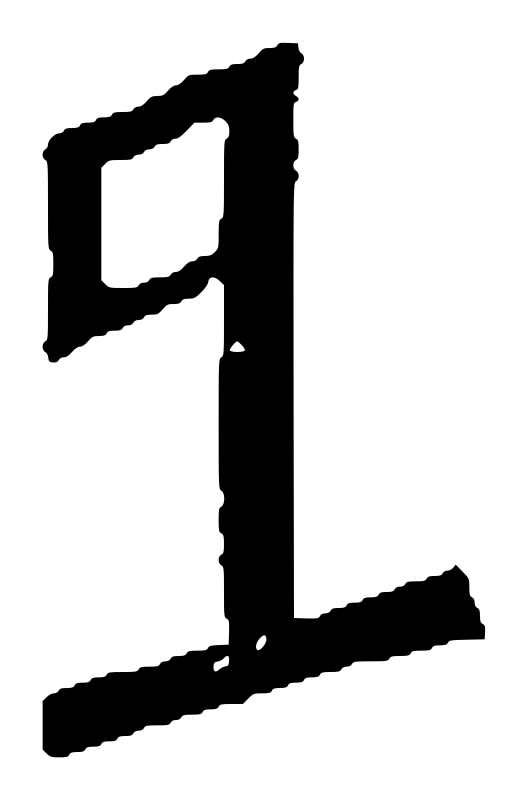 B
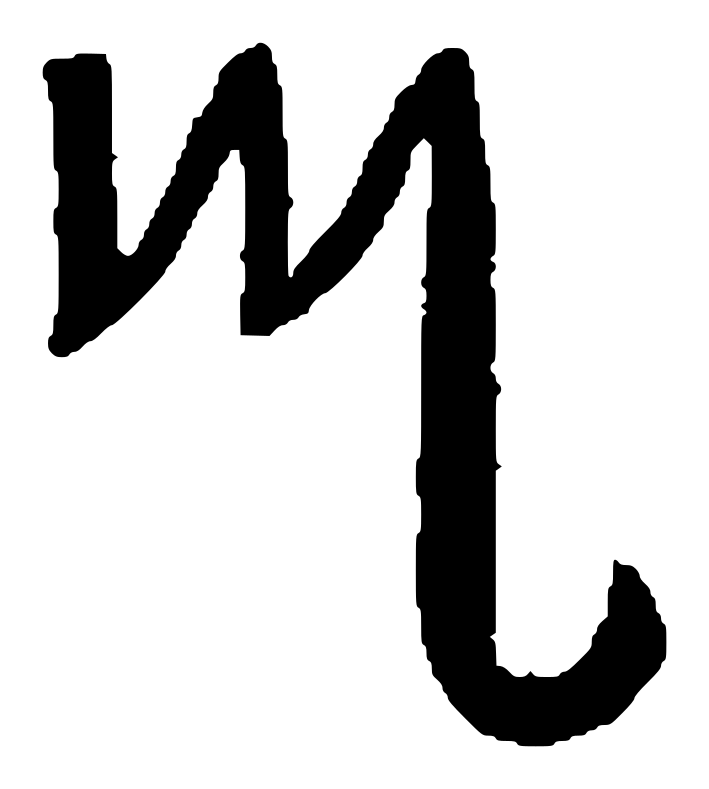 C
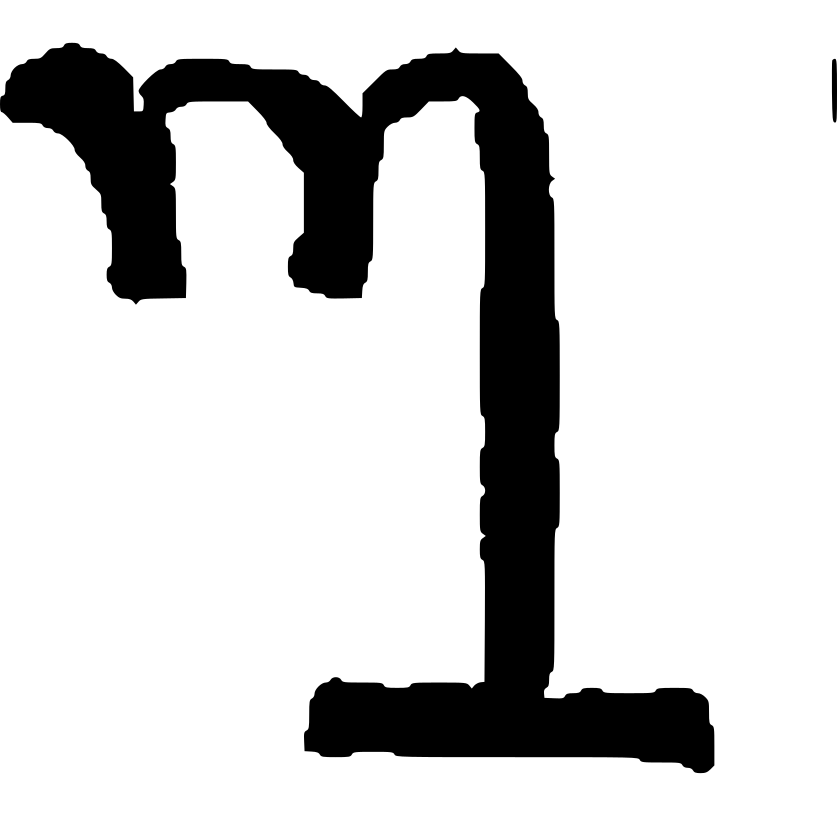 D
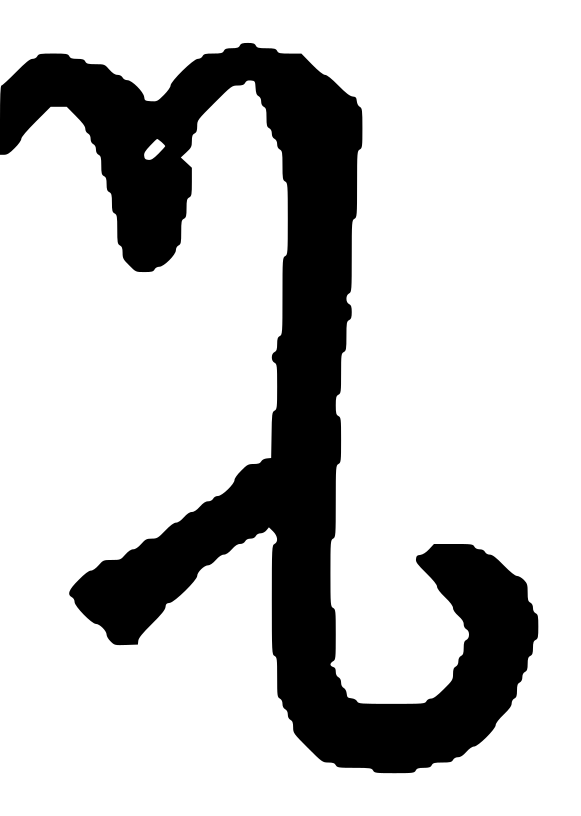 E
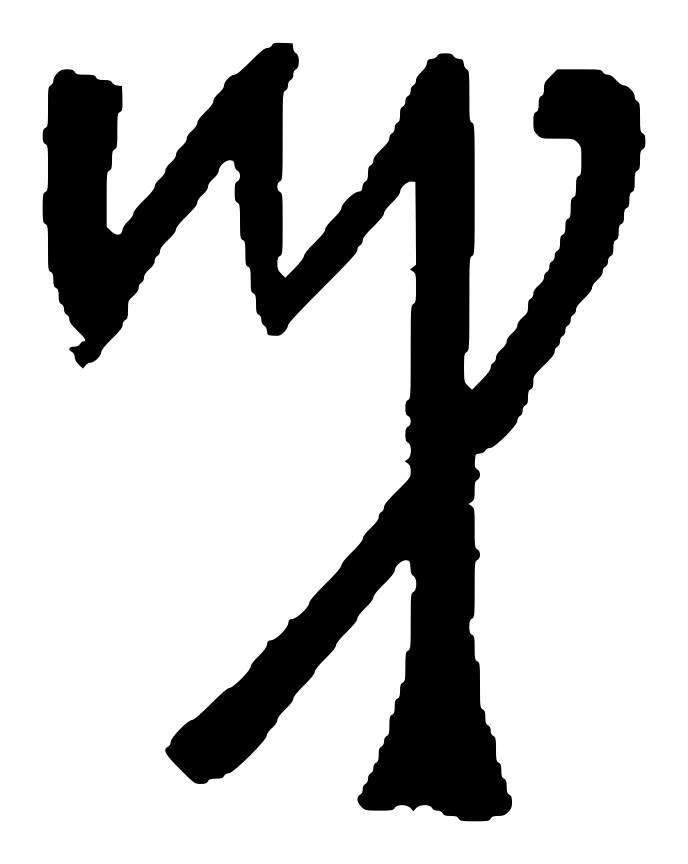 F
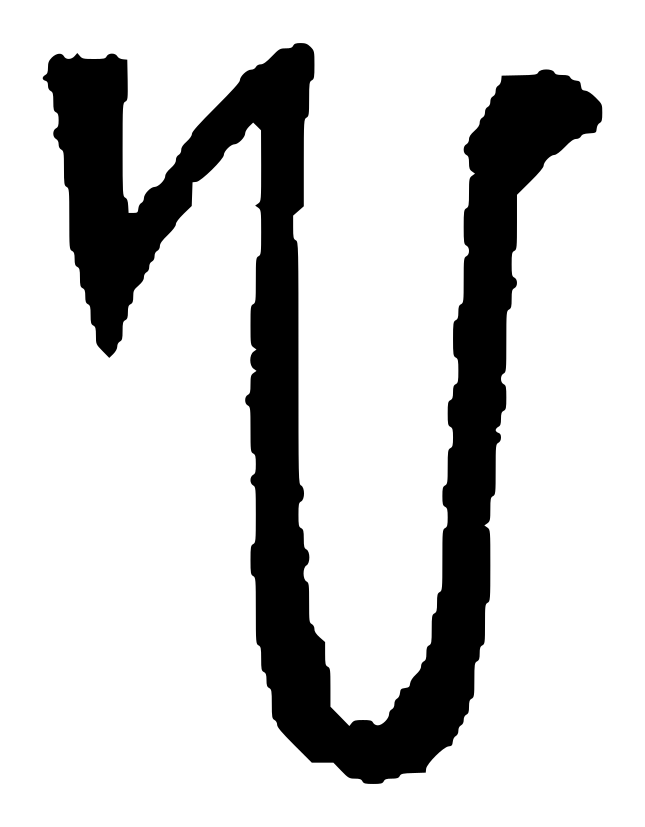 G
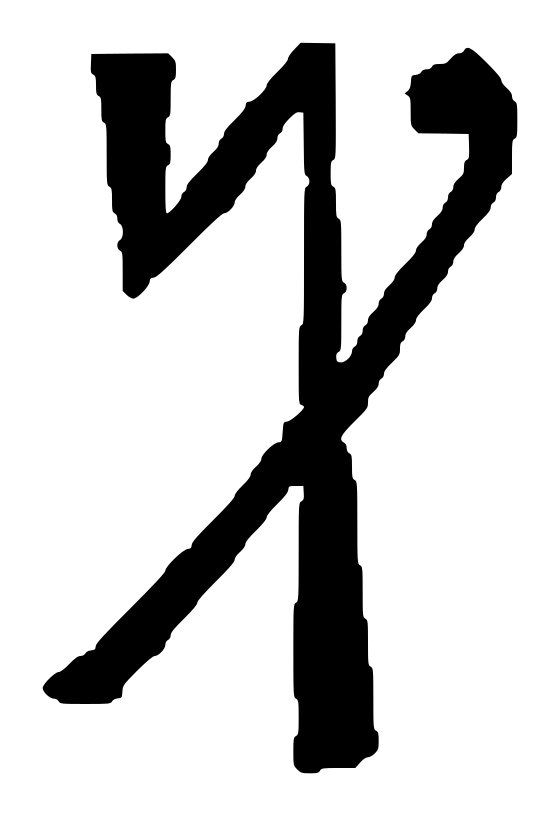 H
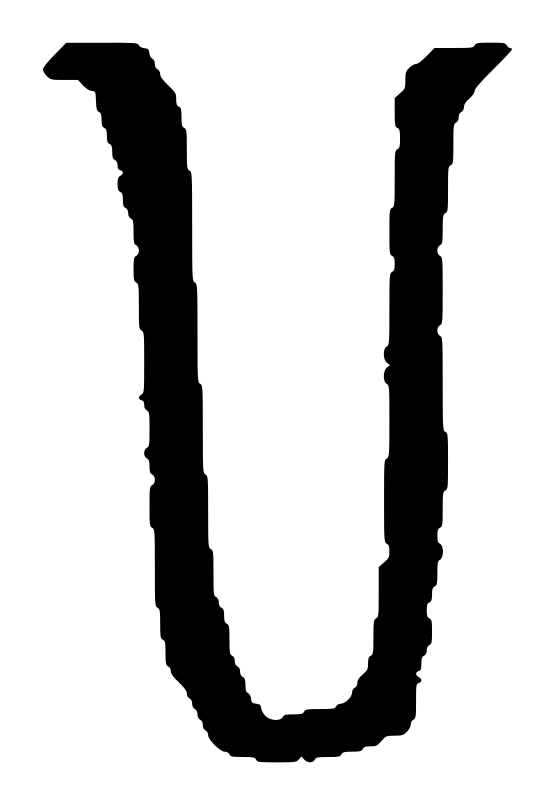 I
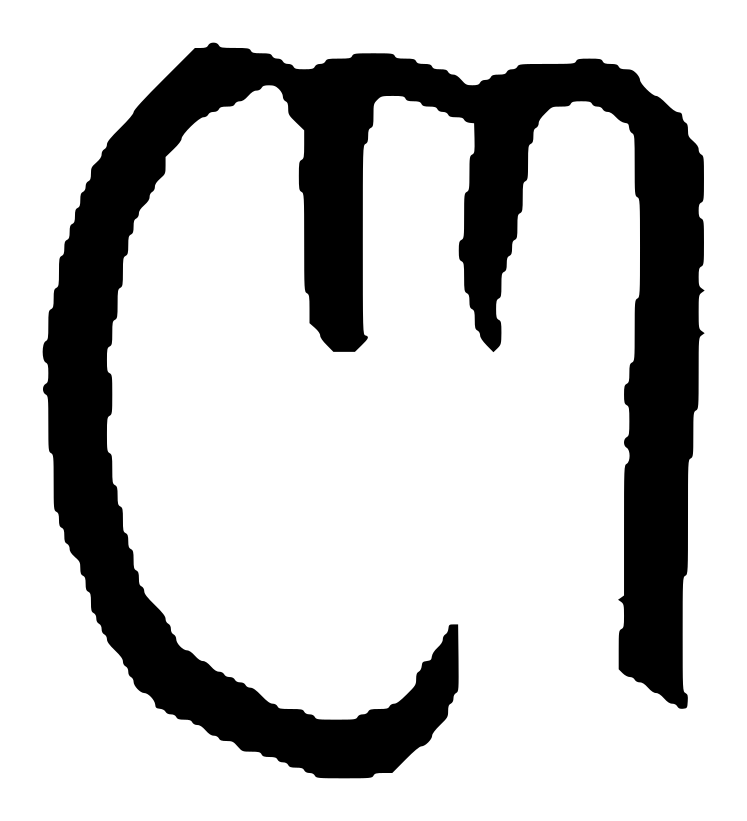 K
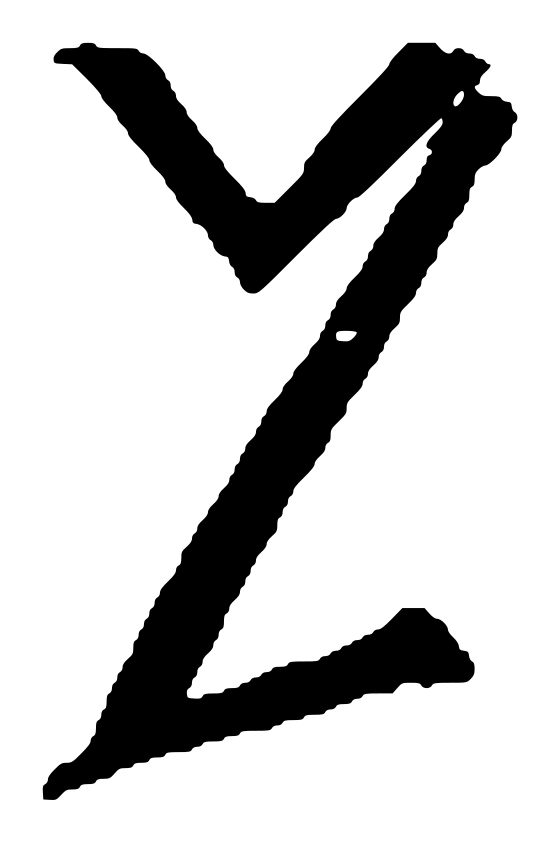 L
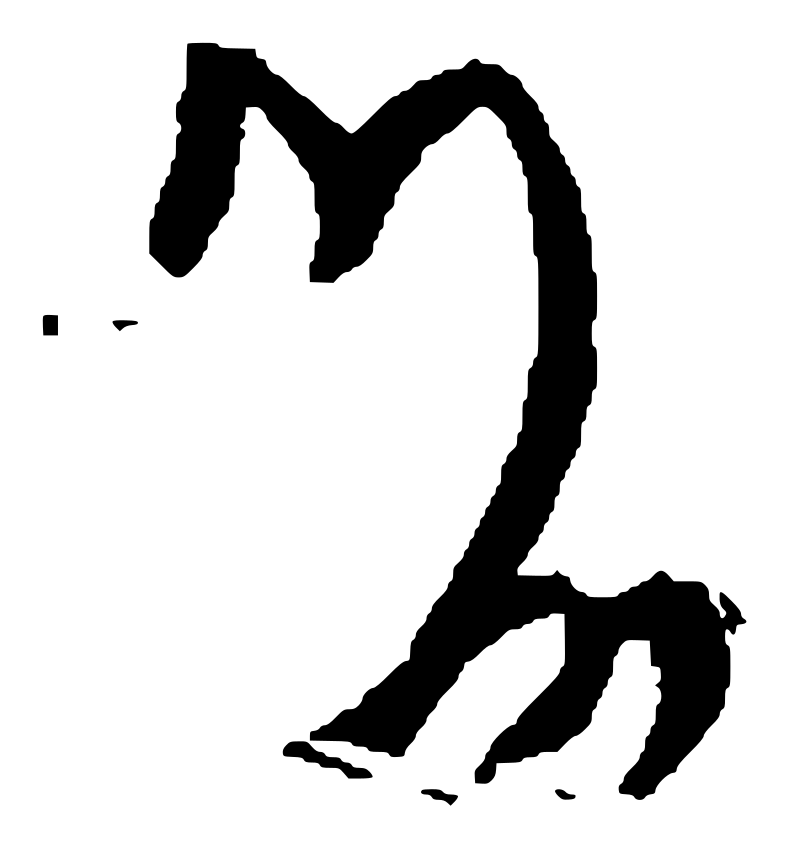 M
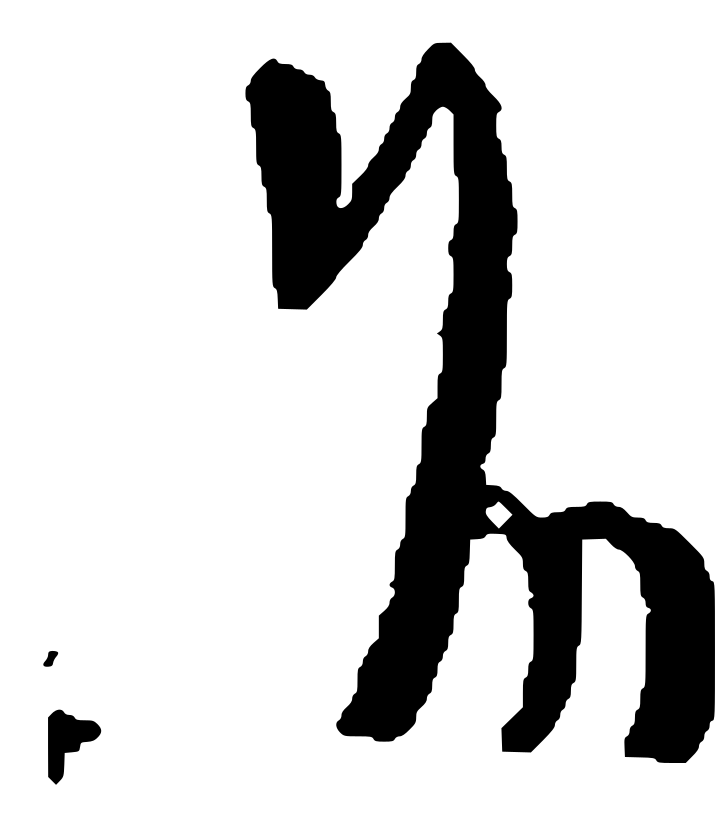 N
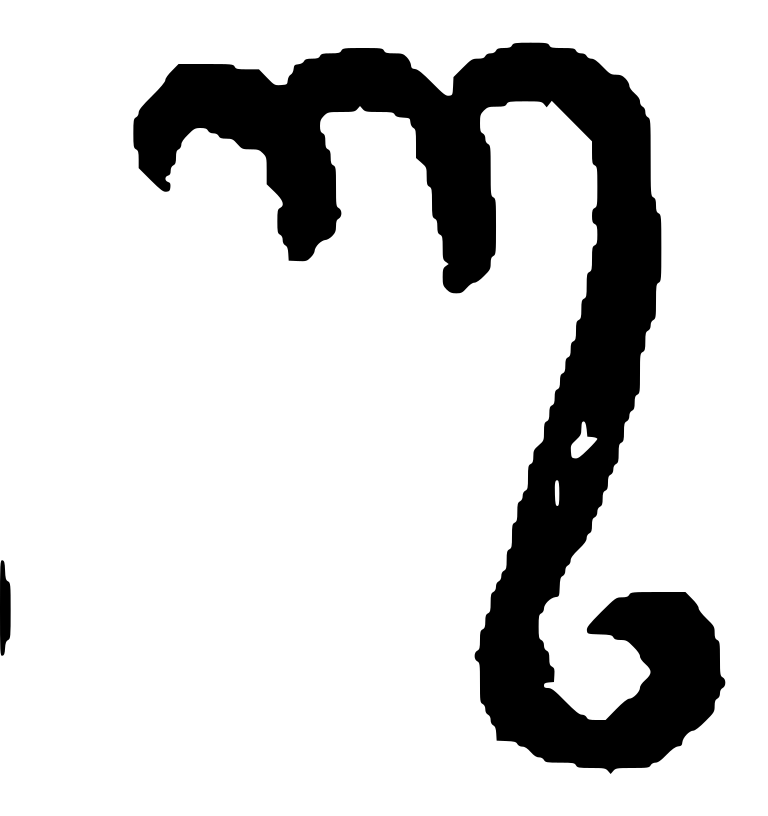 O
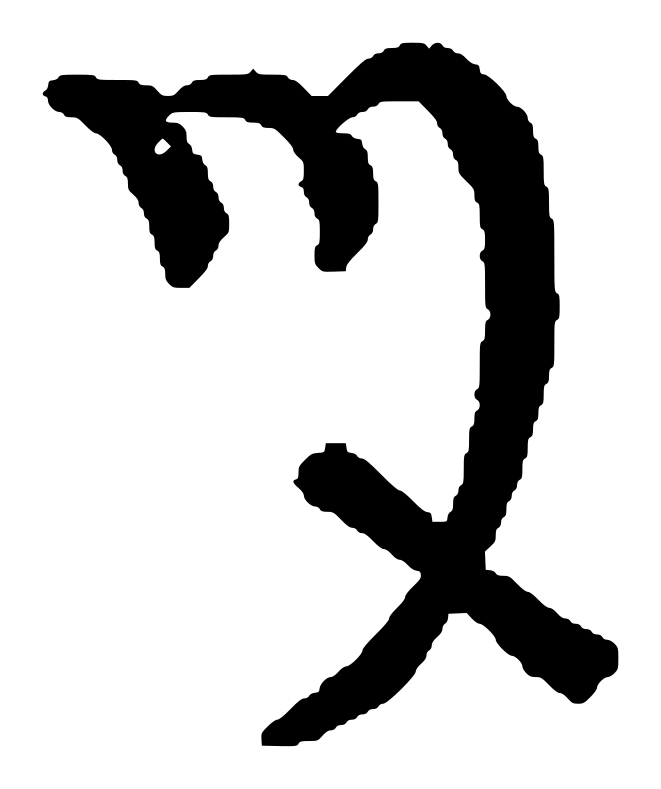 P
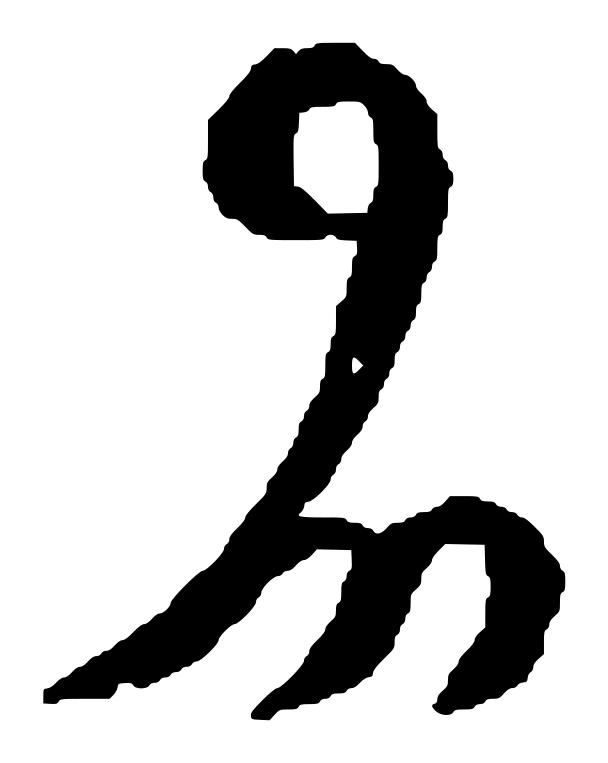 Q
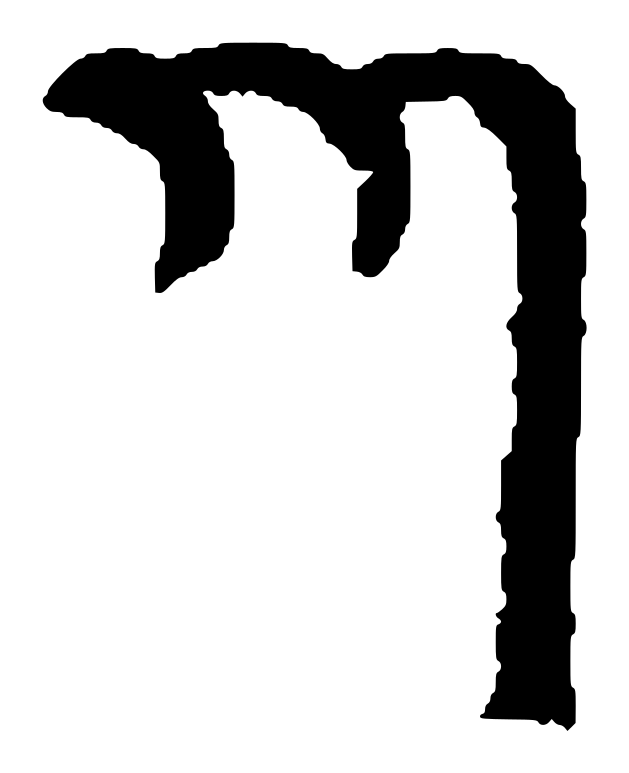 R
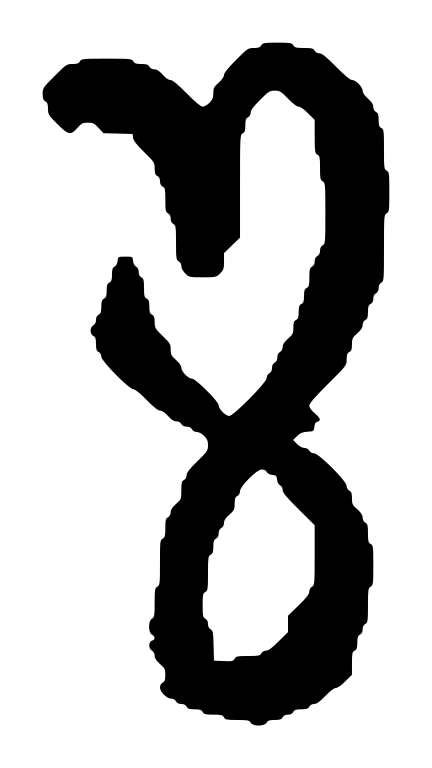 S
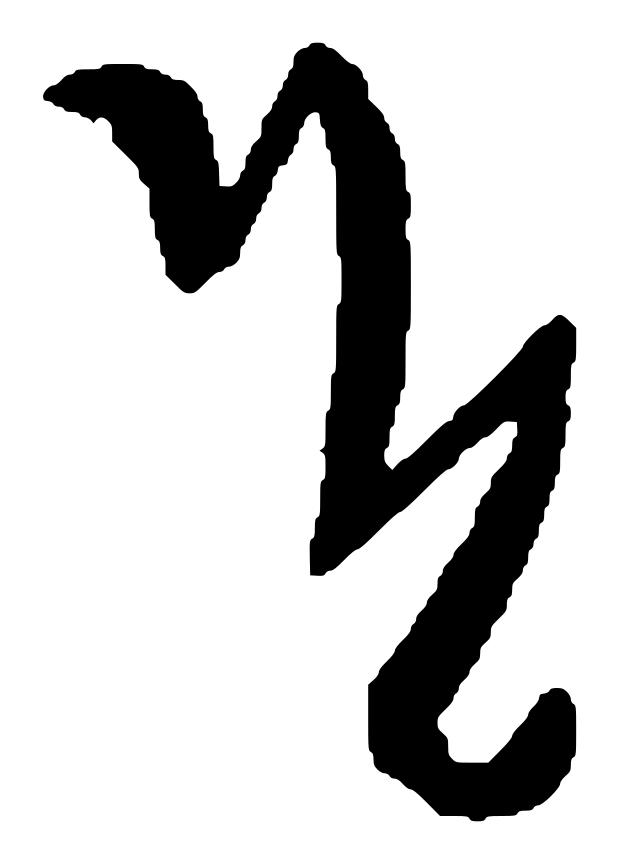 T
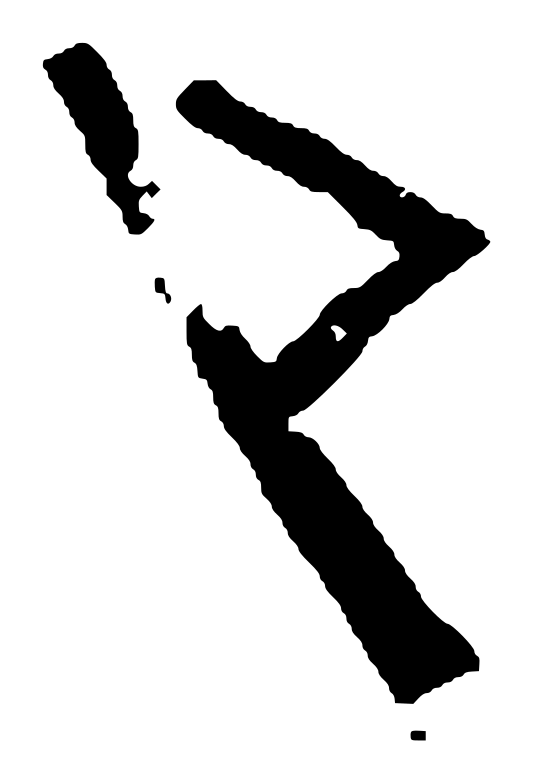 V
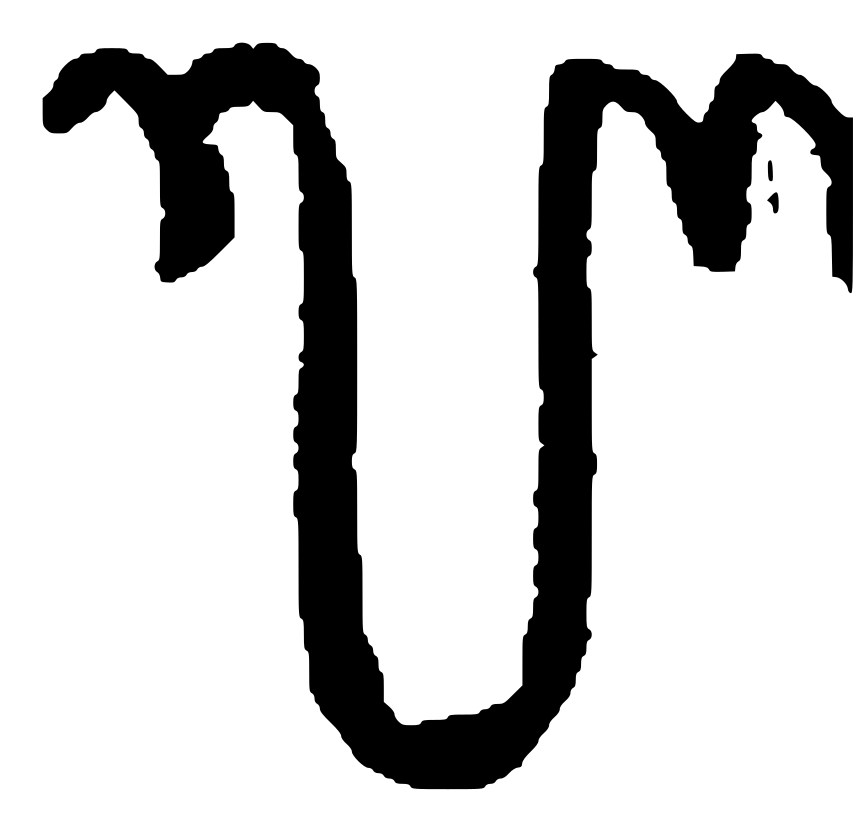 X
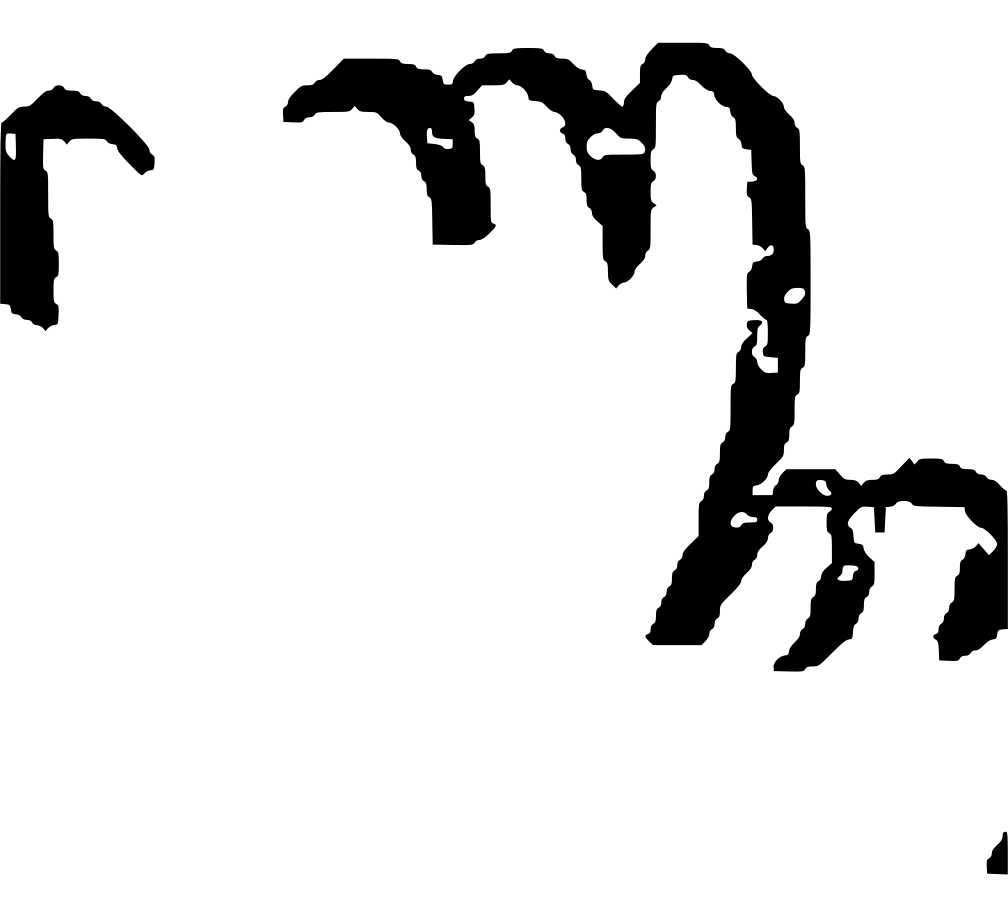 Y
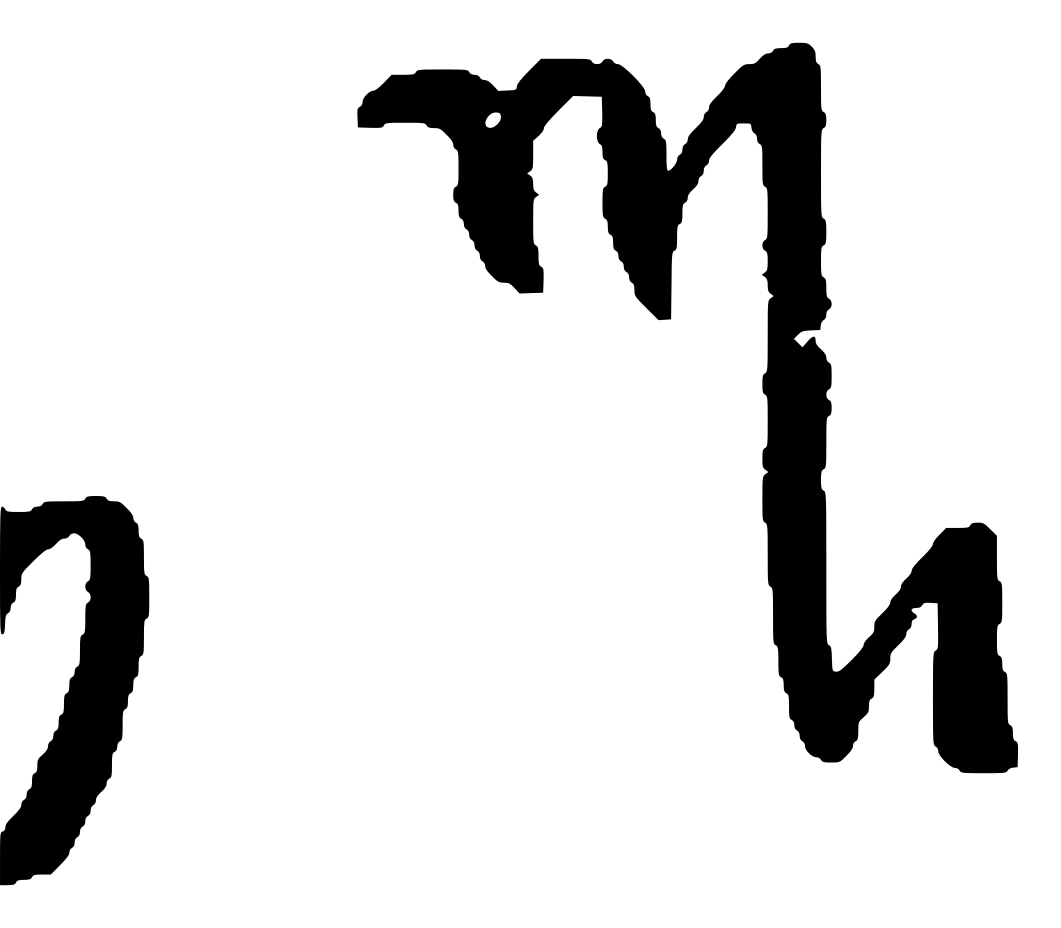 Z
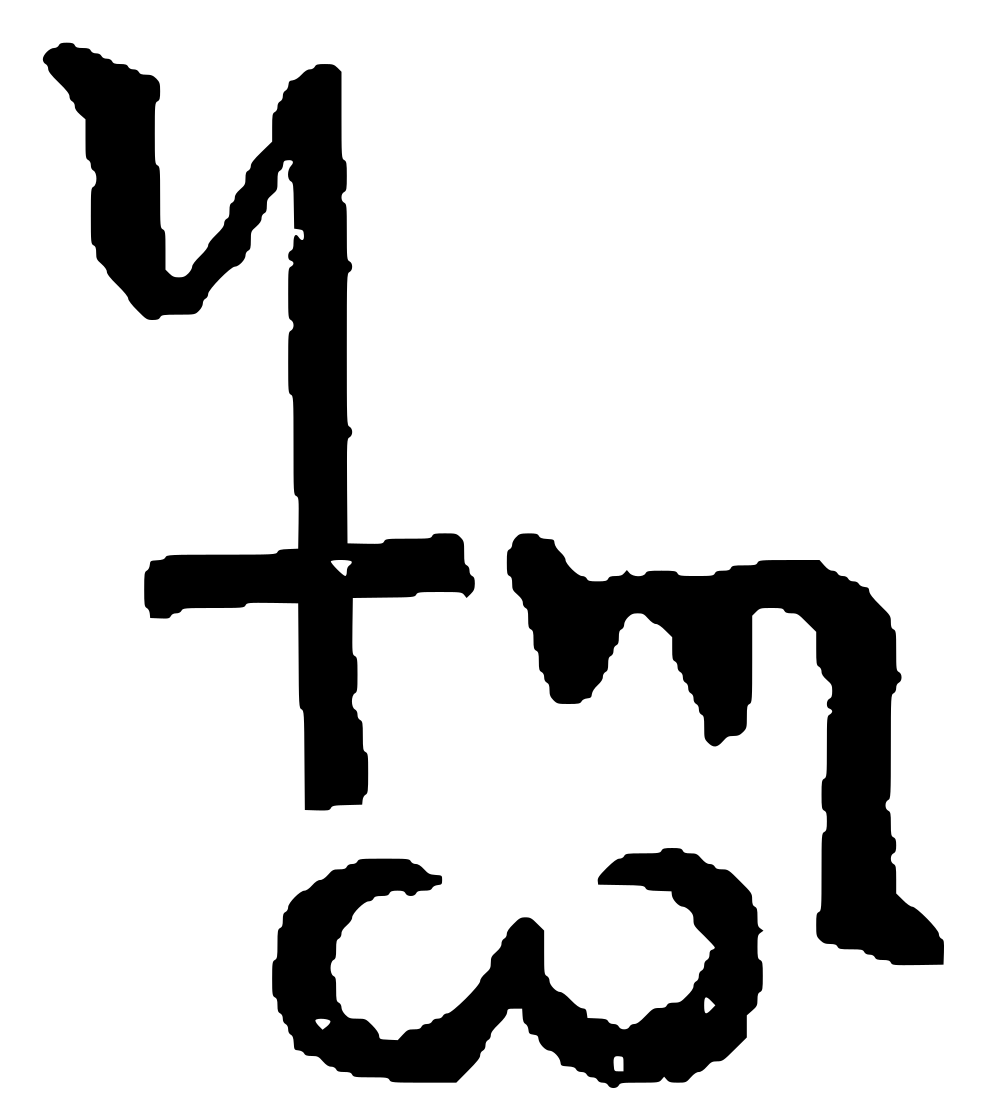 Ω
I — The plate has no character for J. Writers use this one for both, as the Latin alphabet of the time did.
V — The plate has no character for U. Writers use this one for both.
Ω — Trithemius labels this character w, and places it after z because w was a late arrival in the Latin alphabet. Agrippa, copying him in 1533, labels it Ω. It is given here with Agrippa’s label, because this is Agrippa’s plate. Later copyists made it worse. Francis Barrett reproduced the alphabet in The Magus in 1801 and the character was read as a full stop or an ampersand rather than a letter. Wikimedia Commons still files it under "end-of-sentence" today.
There is no character for J, U or W: the plate runs A to Z without them, as the Latin alphabet of the time did. The last character is the one to be careful about. Trithemius labels it w and sets it after z, w being a late arrival. Agrippa labels the same character Ω. Francis Barrett reproduced the alphabet in 1801 and it was read as a full stop or an ampersand instead of a letter — Wikimedia Commons still files it under "end-of-sentence" today. It is shown here with Agrippa’s label, because this is Agrippa’s plate.
De occulta philosophia libri tres, Book III, Cologne 1533. First printed in the Polygraphia, 1518. The text and the characters are in the public domain.
The Ars Goetia — The seventy-two spirits of the Lesser Key of Solomon, each with the seal set down beside it. 72 seals.
The Olympic Spirits — The seven governors of the Arbatel, who divide the world between them and each rule it in turn for 490 years. 7 characters.
The Pentacles of Solomon — Forty-four pentacles from the Key of Solomon, seven to a planet, each with the use the book puts it to — many of them protective. 44 pentacles.
The Angels of the Days — The seven angels who govern the days of the week, each with the sigil the Heptameron sets beside him. 7 sigils.
The Elder Futhark — The twenty-four runes of the oldest runic alphabet, each with the stanza the Old English Rune Poem gives it. 24 runes.
The Characters of the Planets — The seal of each of the seven planets, with the characters of the intelligence and the spirit Agrippa sets over it. 20 characters.