The Pentacles of Solomon
The Key of Solomon is the best known of the Renaissance grimoires, surviving in dozens of manuscripts in Latin, French, Italian and Hebrew. Its pentacles are circular figures, each belonging to a planet and each put to a particular use — protection, more often than anything else.
The forty-four here are the set S. L. MacGregor Mathers printed in his edition of 1889, made from seven manuscripts in the British Museum. Seven belong to Saturn, seven to Jupiter, seven to Mars and seven to the Sun; five to Venus, five to Mercury, and six to the Moon.
44 pentacles, free to browse and free to keep
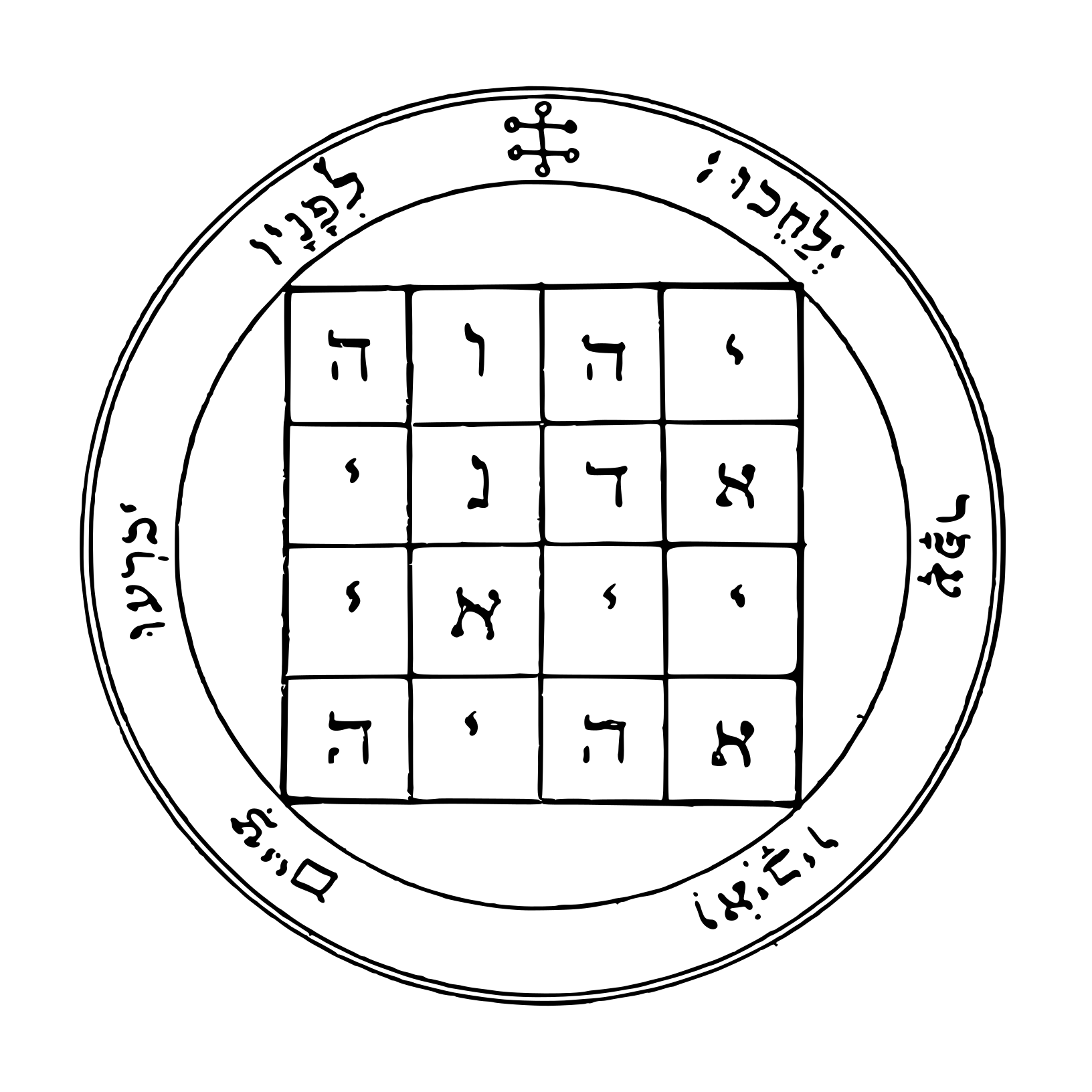 The First Pentacle of Saturn
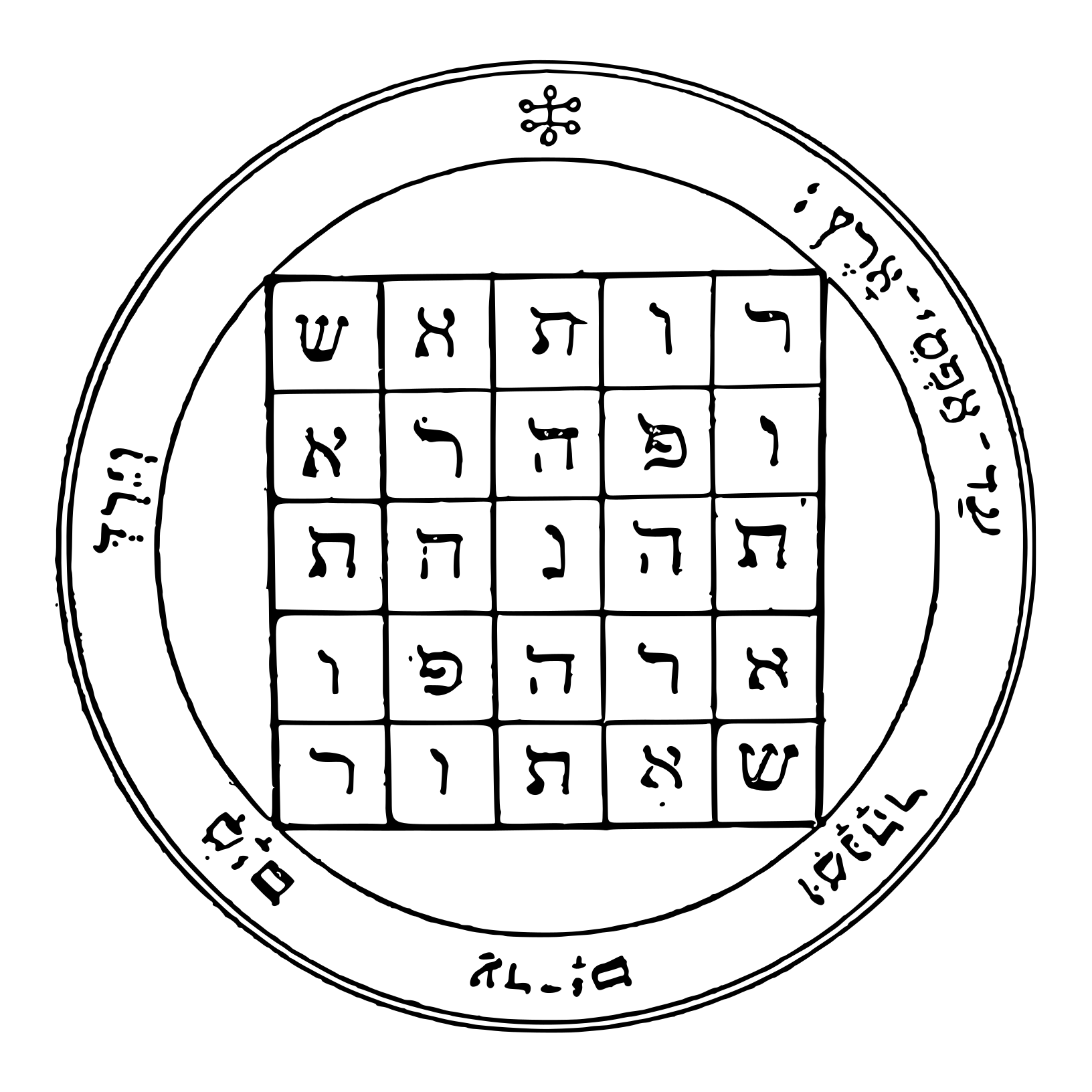 The Second Pentacle of Saturn
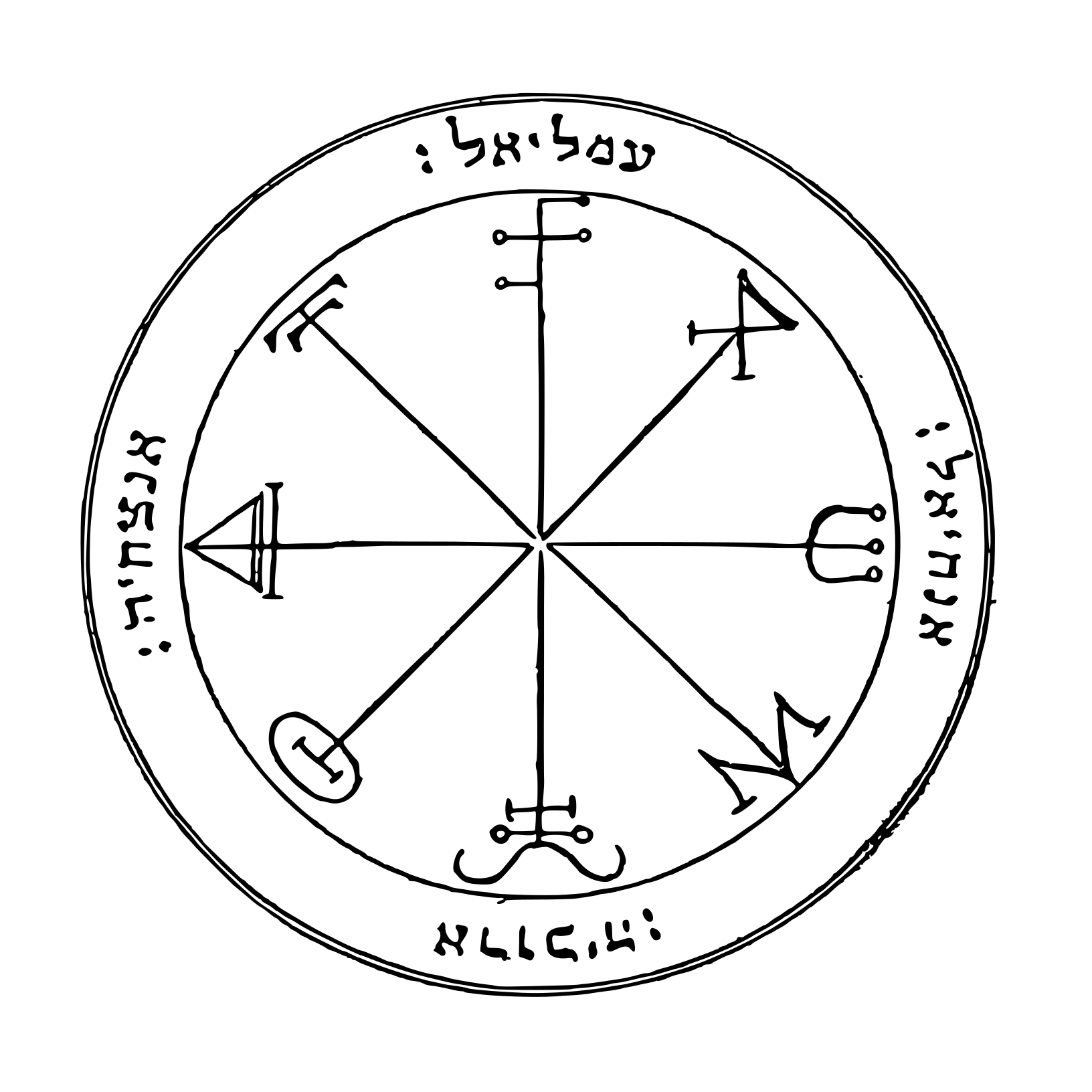 The Third Pentacle of Saturn
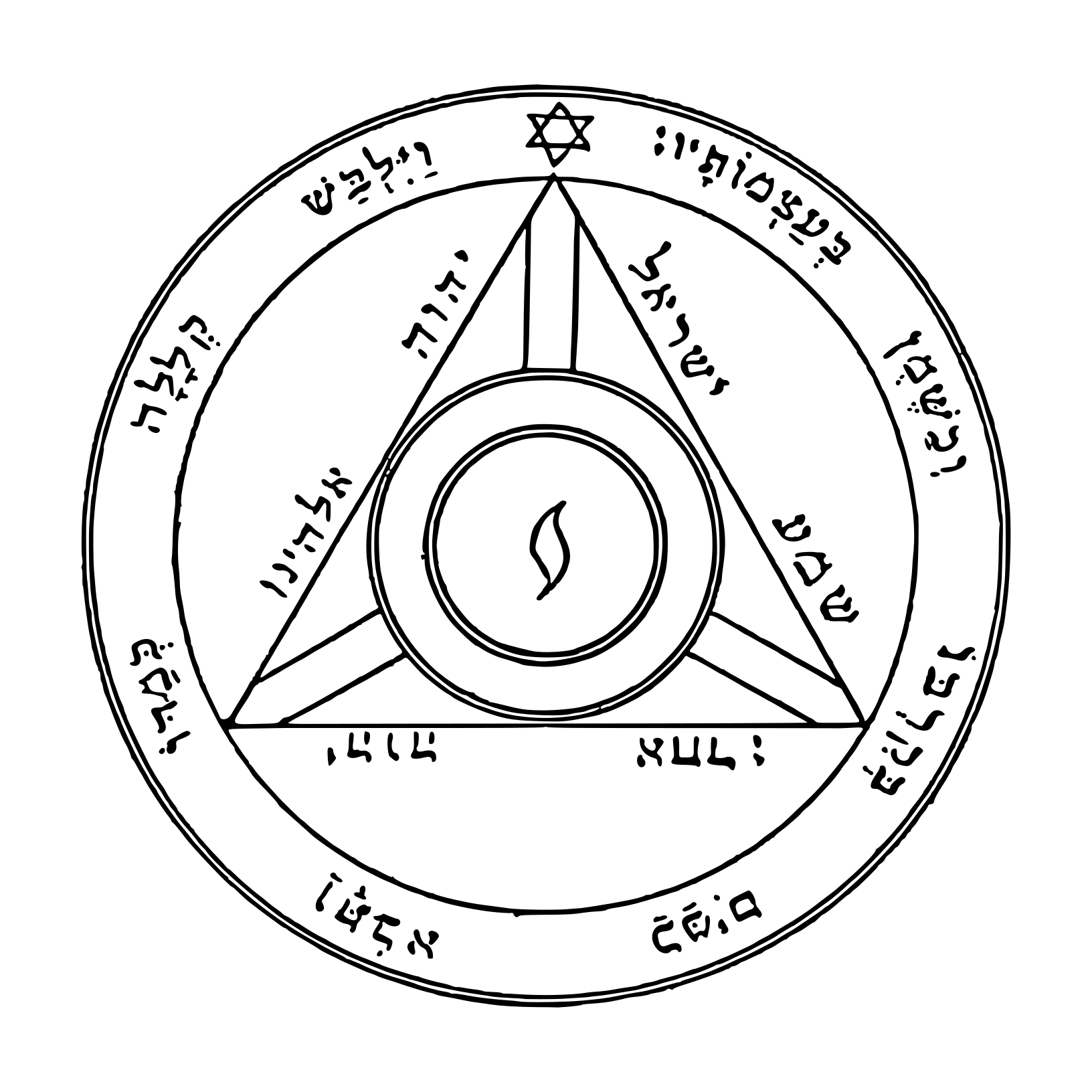 The Fourth Pentacle of Saturn
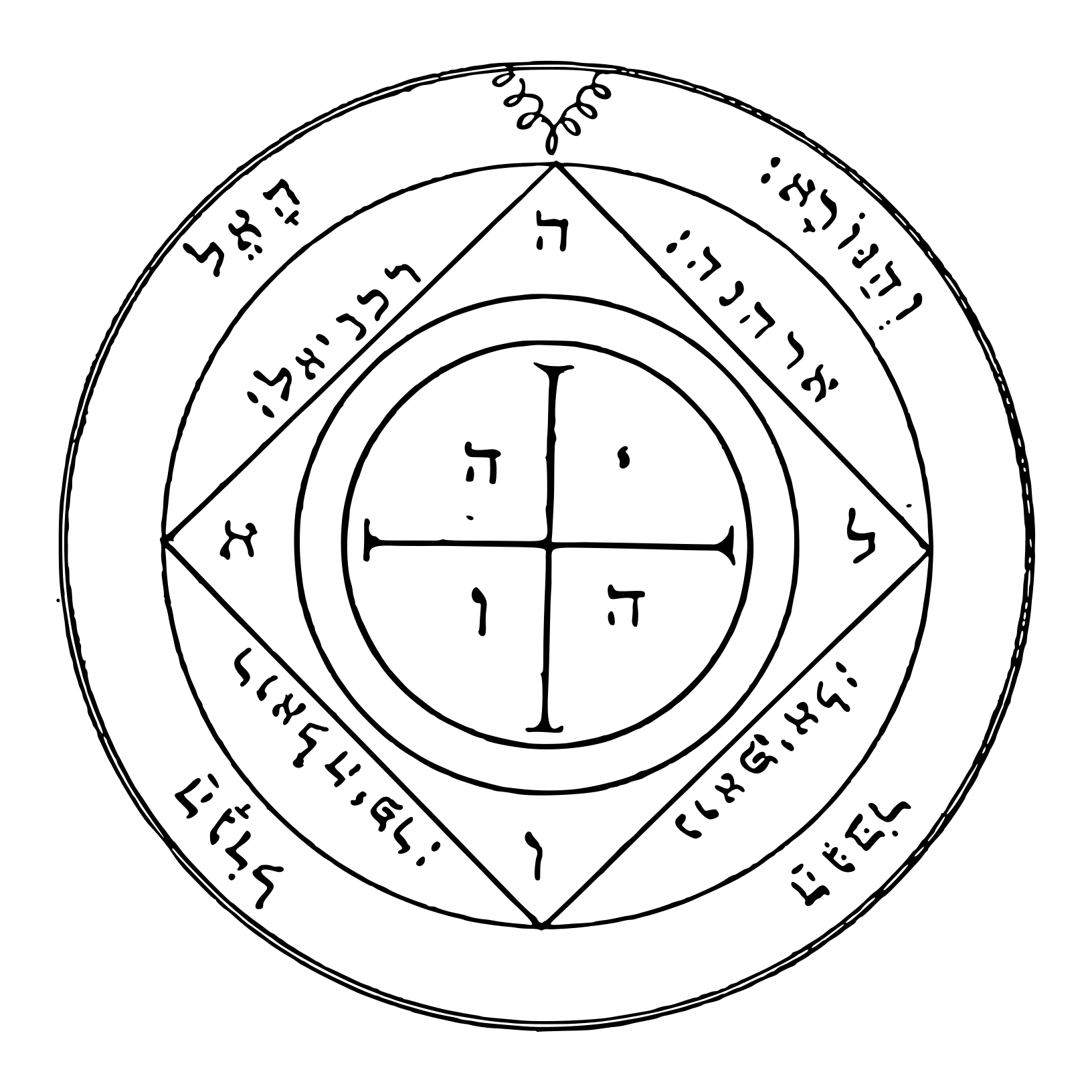 The Fifth Pentacle of Saturn
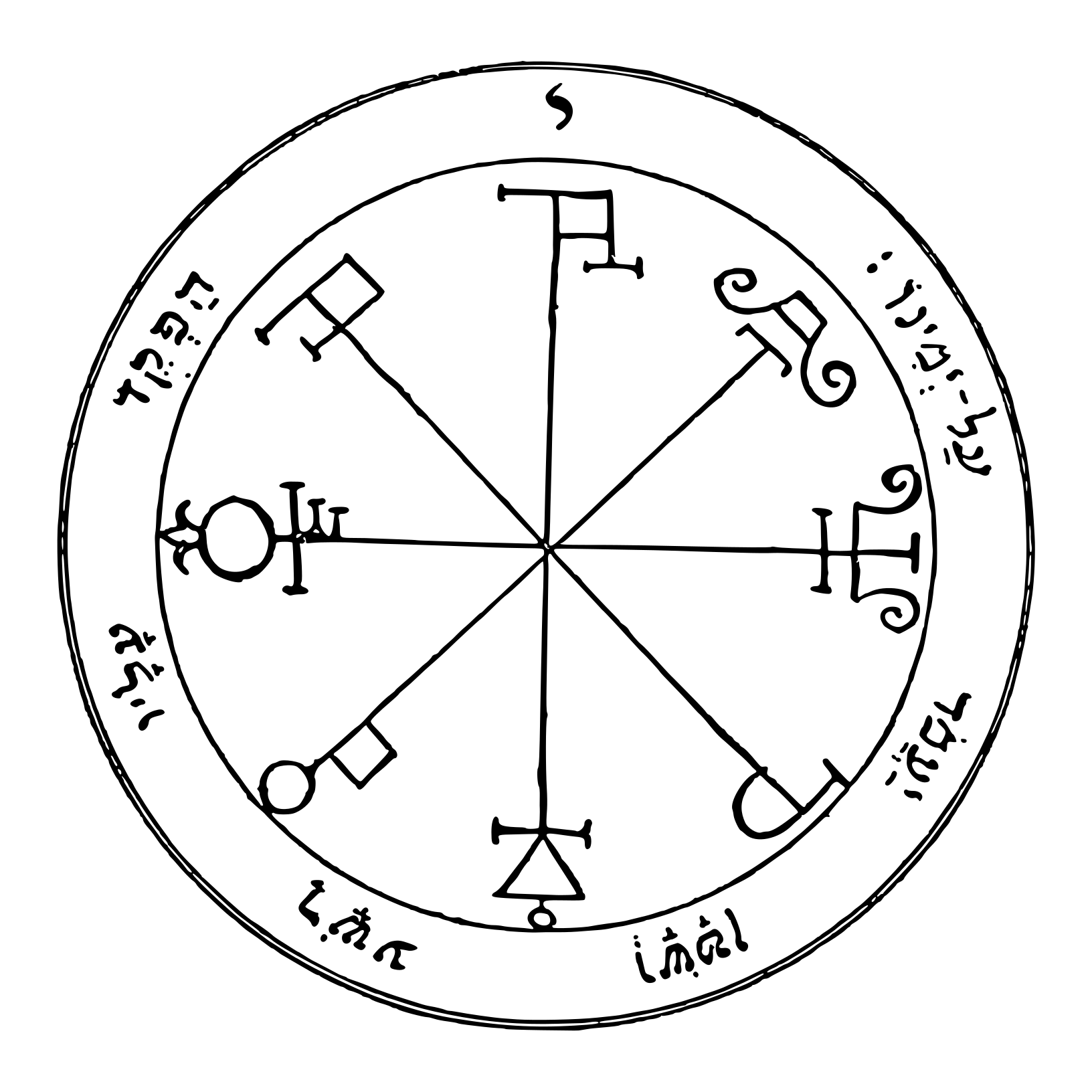 The Sixth Pentacle of Saturn
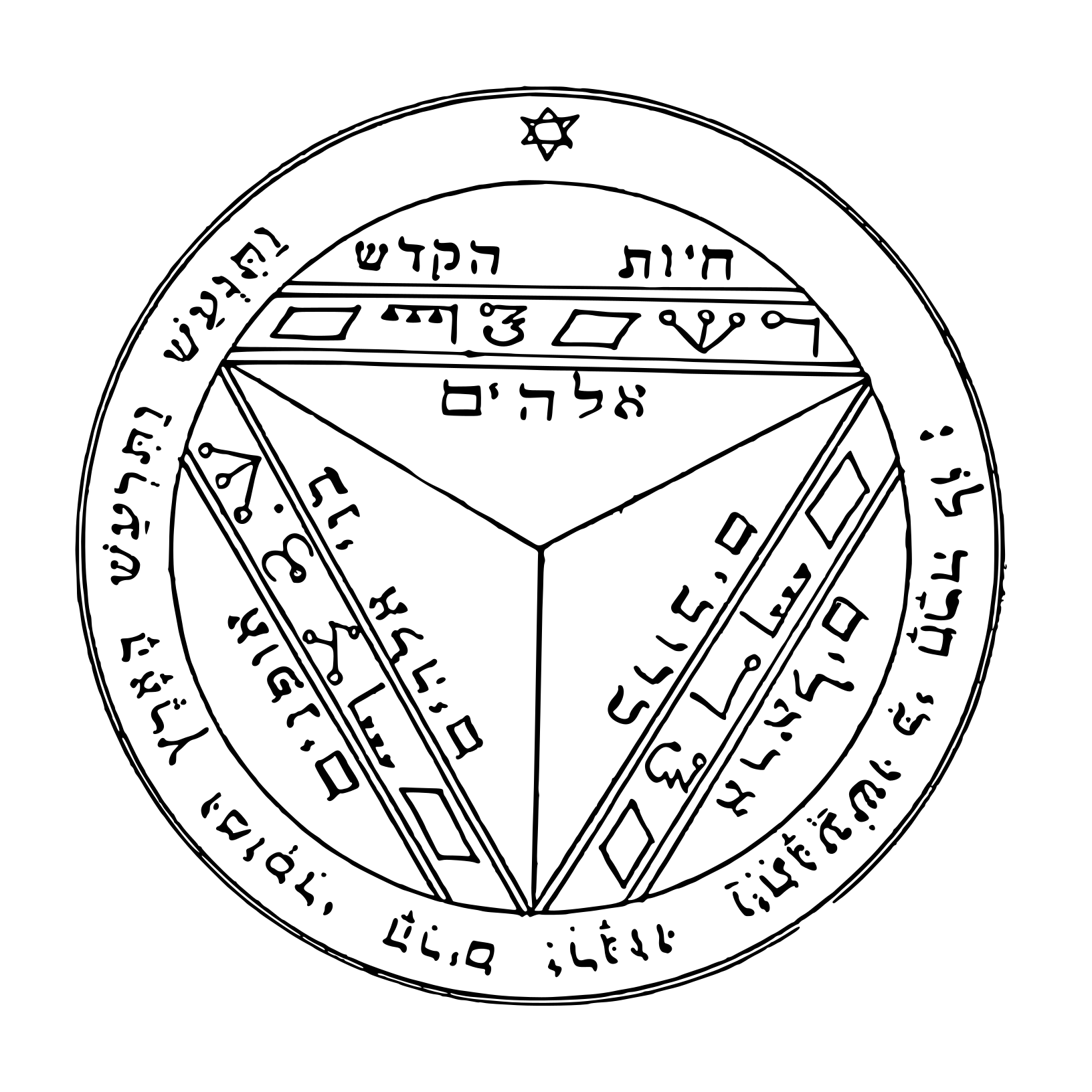 The Seventh and Last Pentacle of Saturn
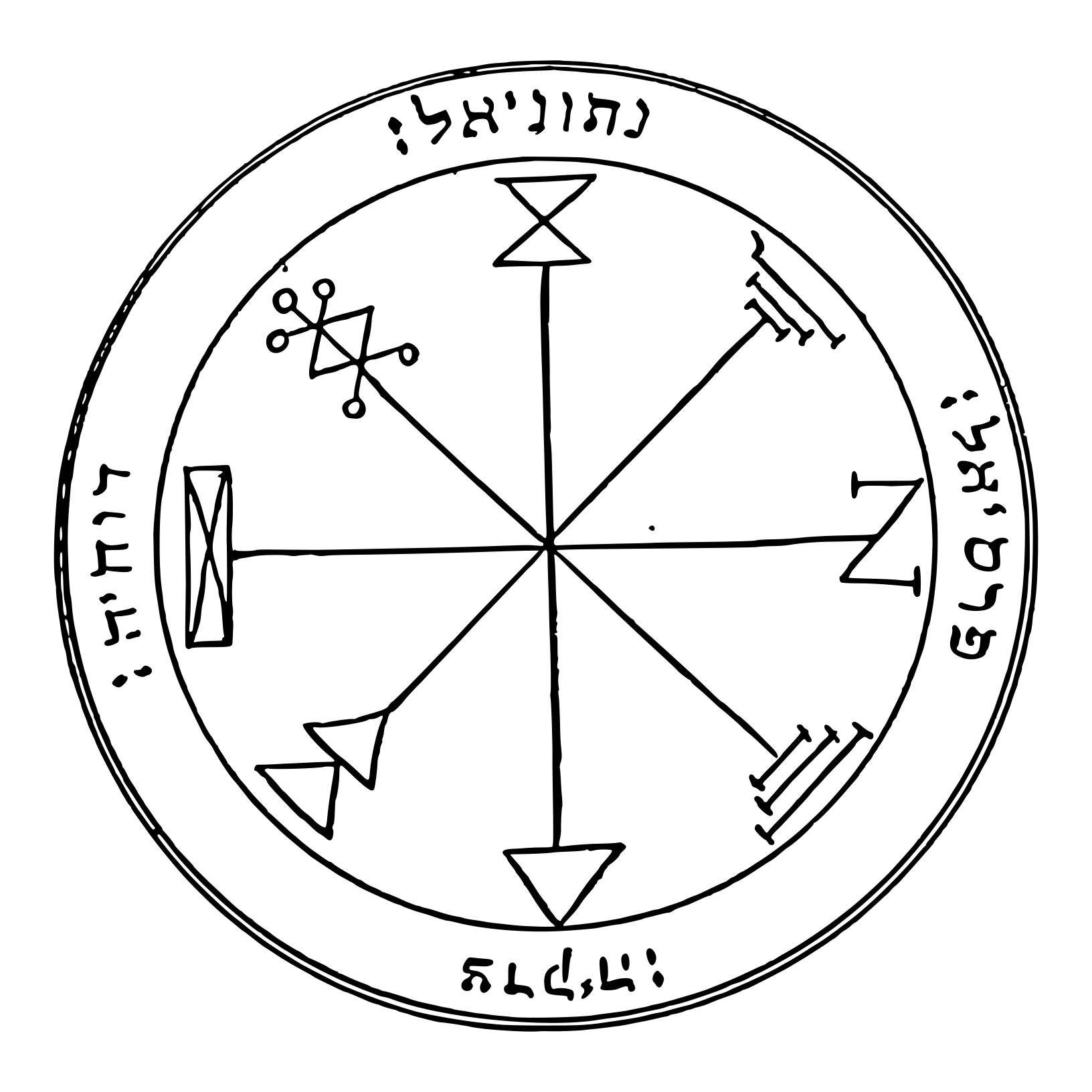 The First Pentacle of Jupiter
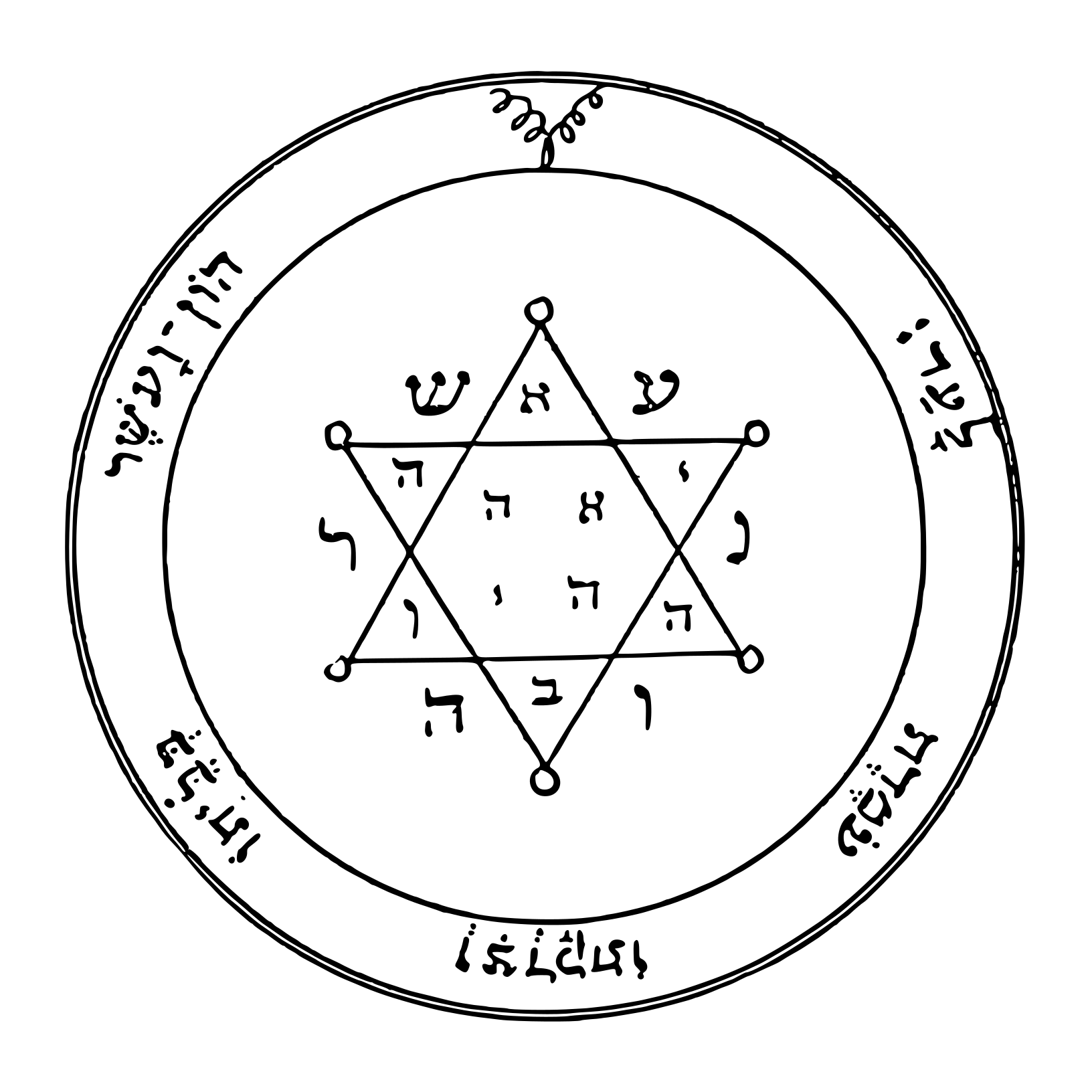 The Second Pentacle of Jupiter
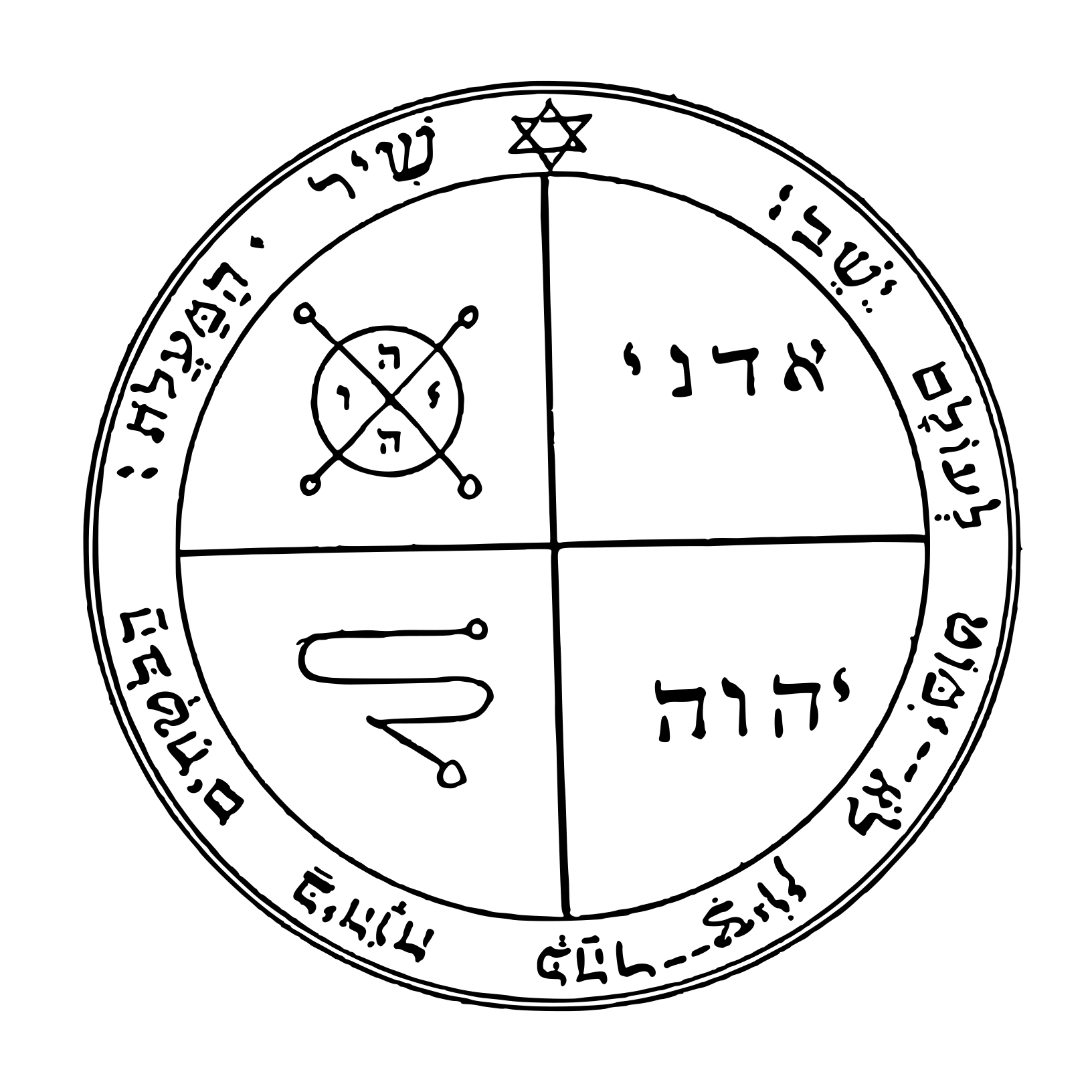 The Third Pentacle of Jupiter
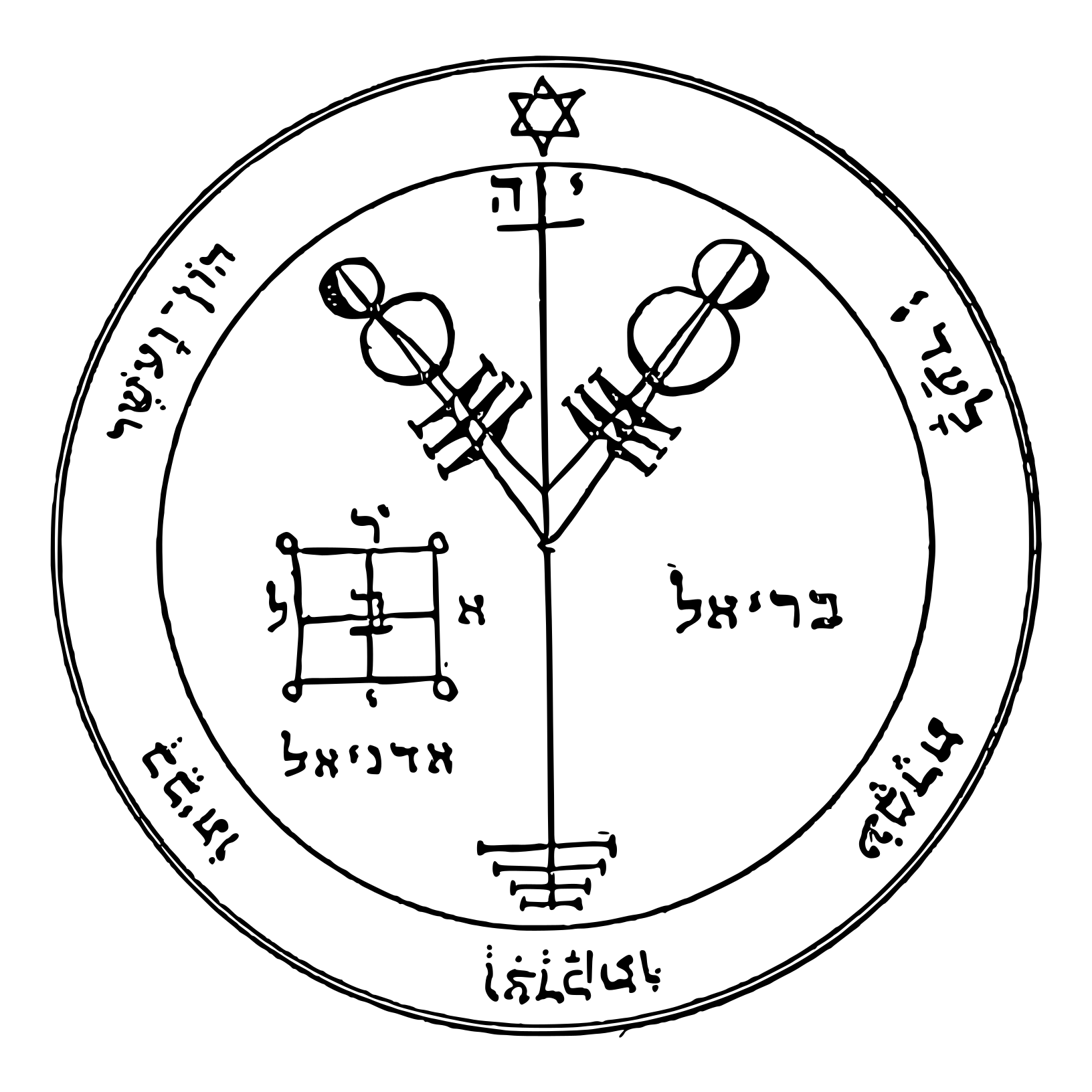 The Fourth Pentacle of Jupiter
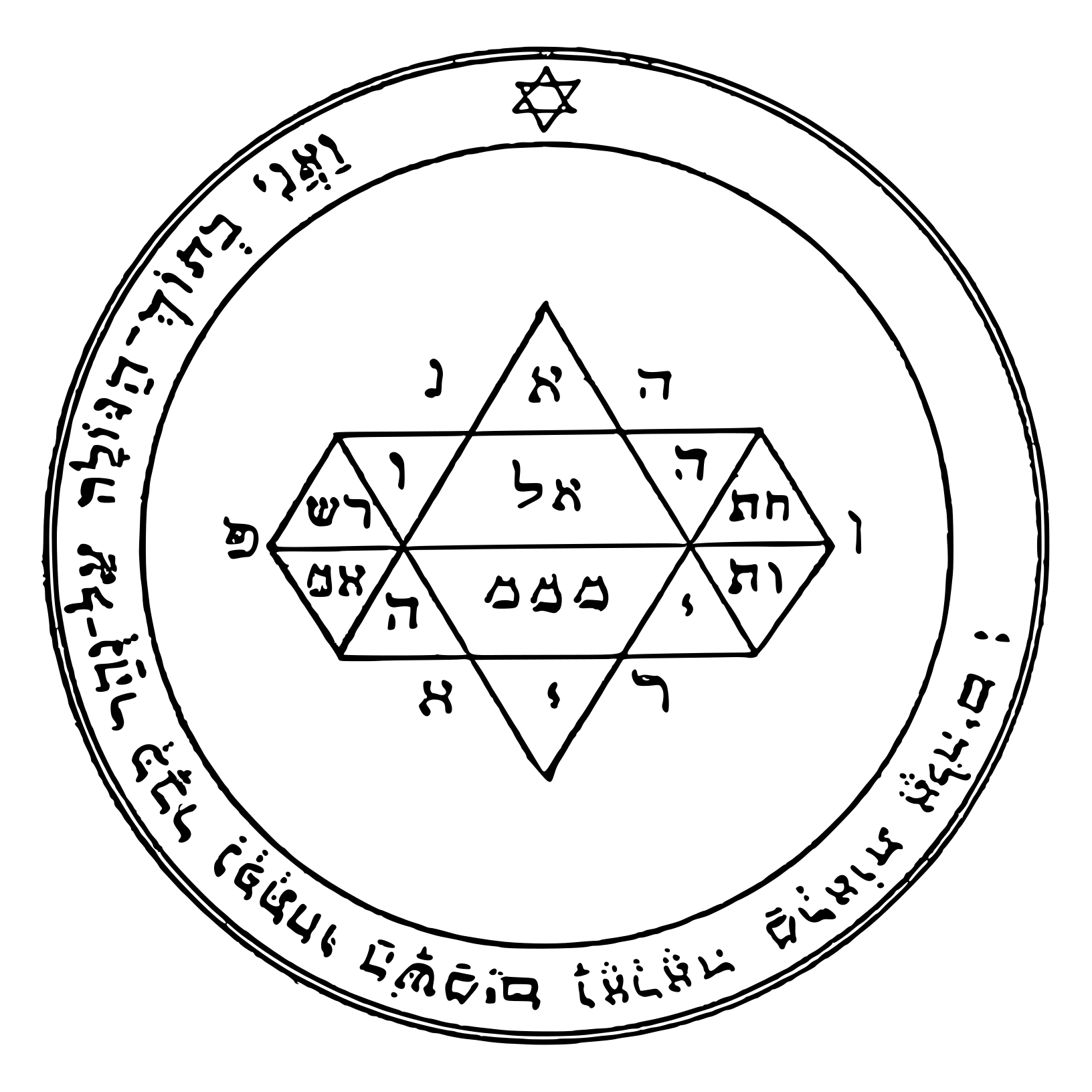 The Fifth Pentacle of Jupiter
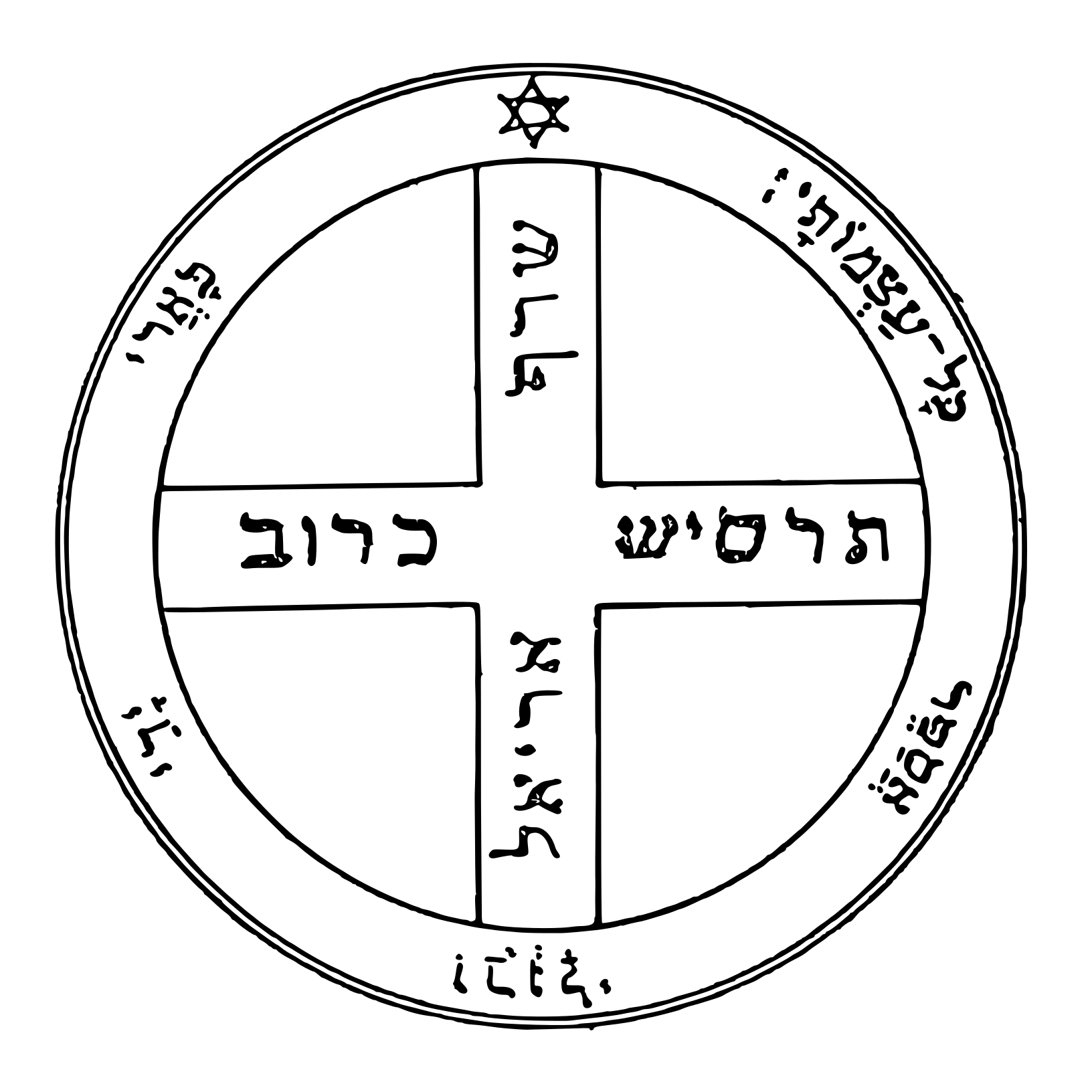 The Sixth Pentacle of Jupiter
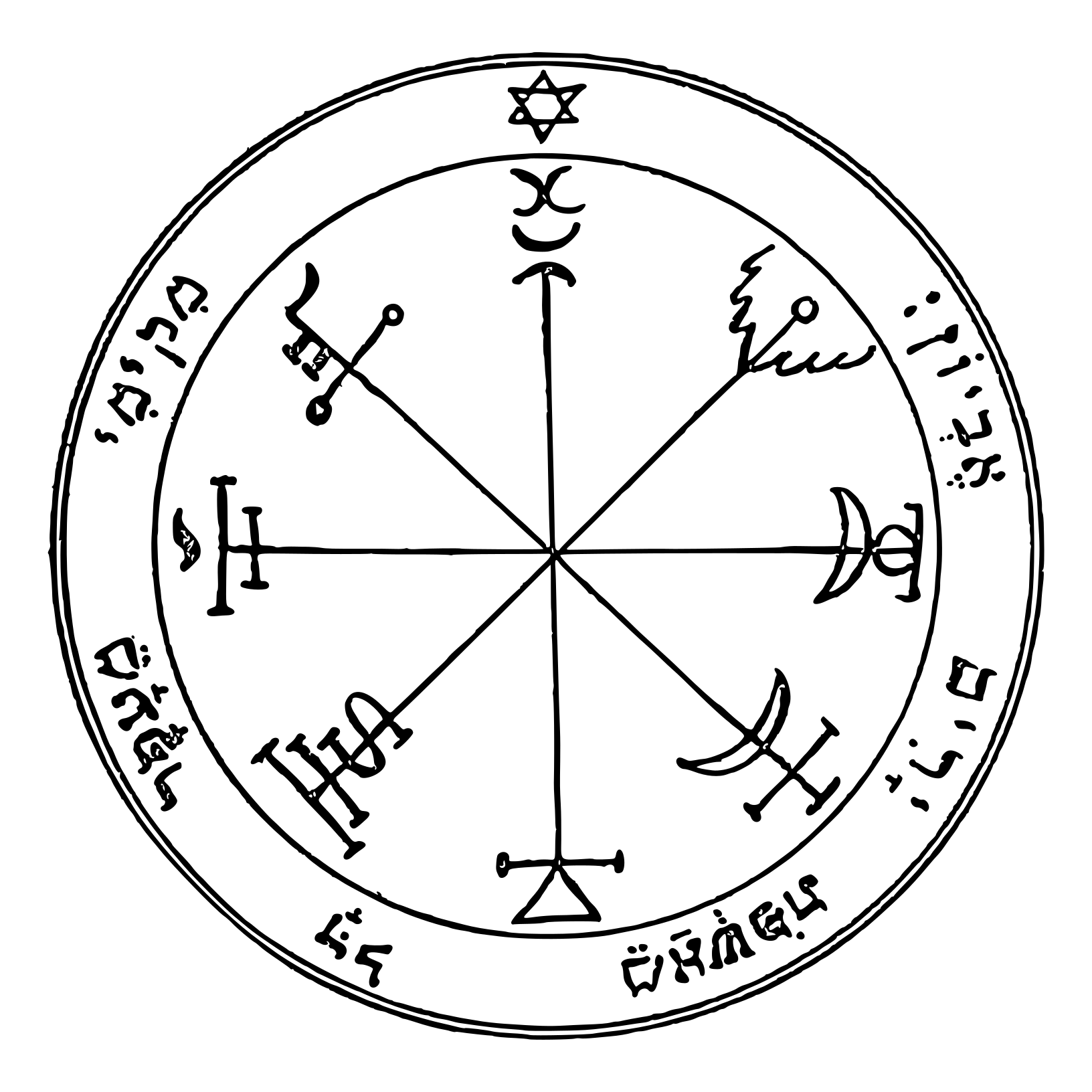 The Seventh and Last Pentacle of Jupiter
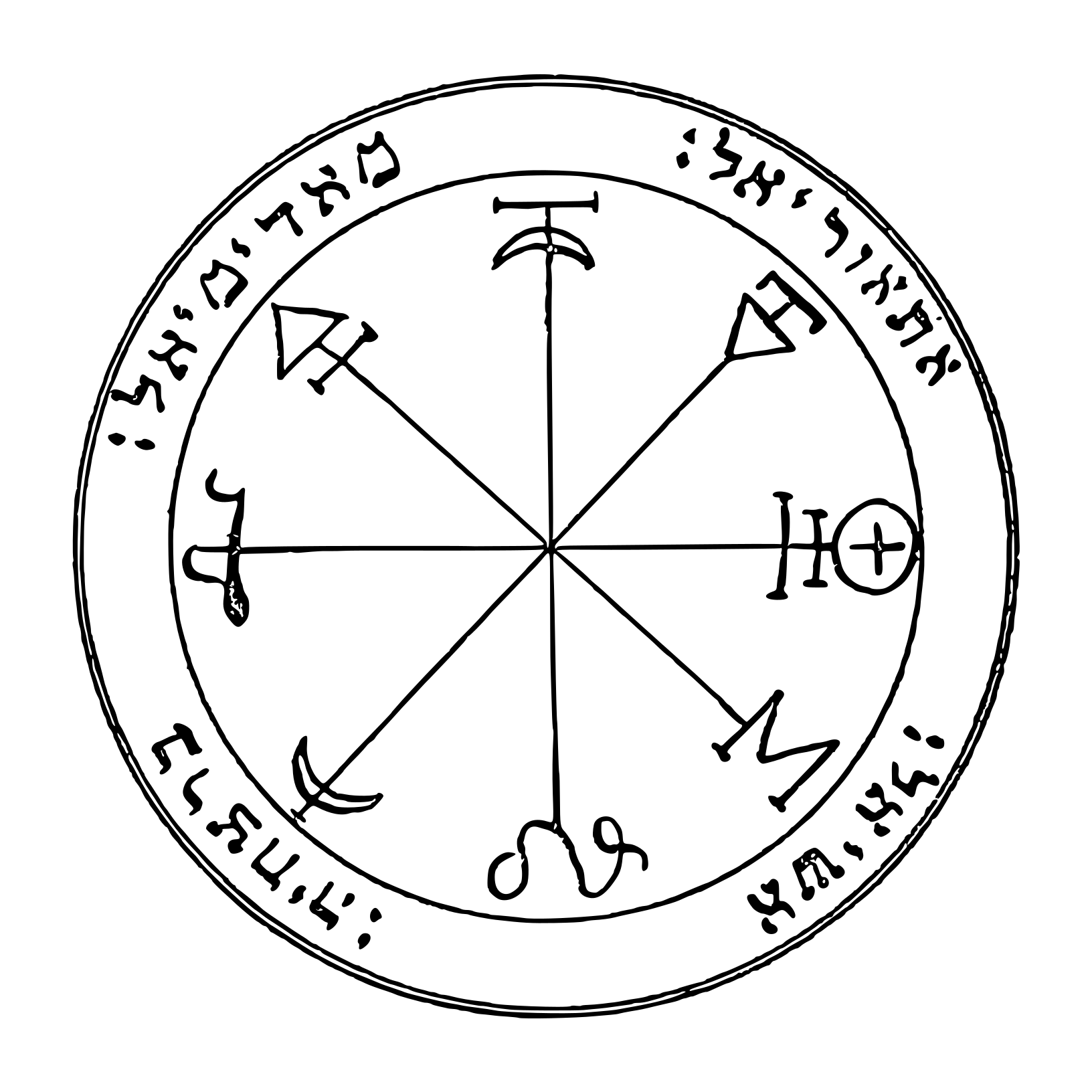 The First Pentacle of Mars
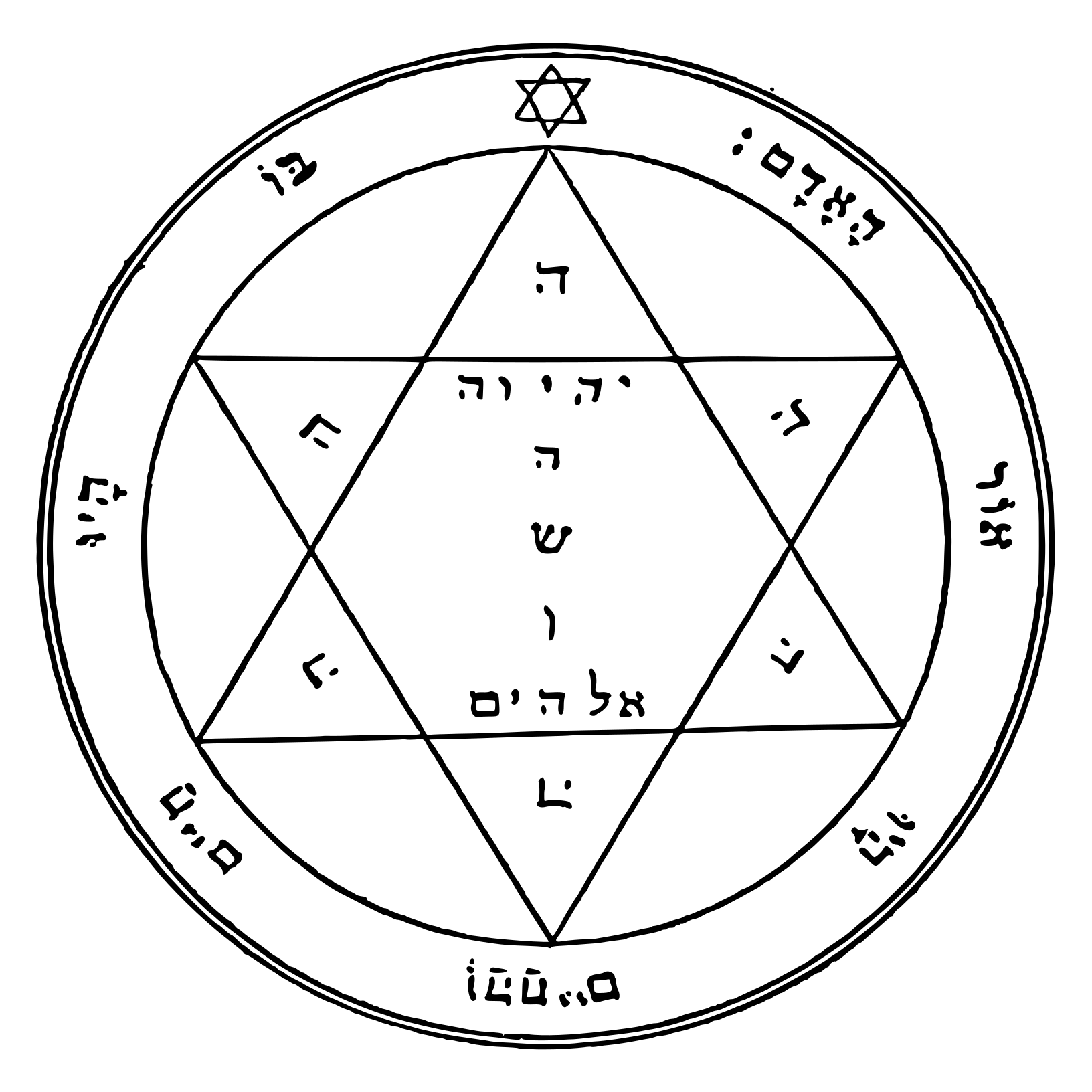 The Second Pentacle of Mars
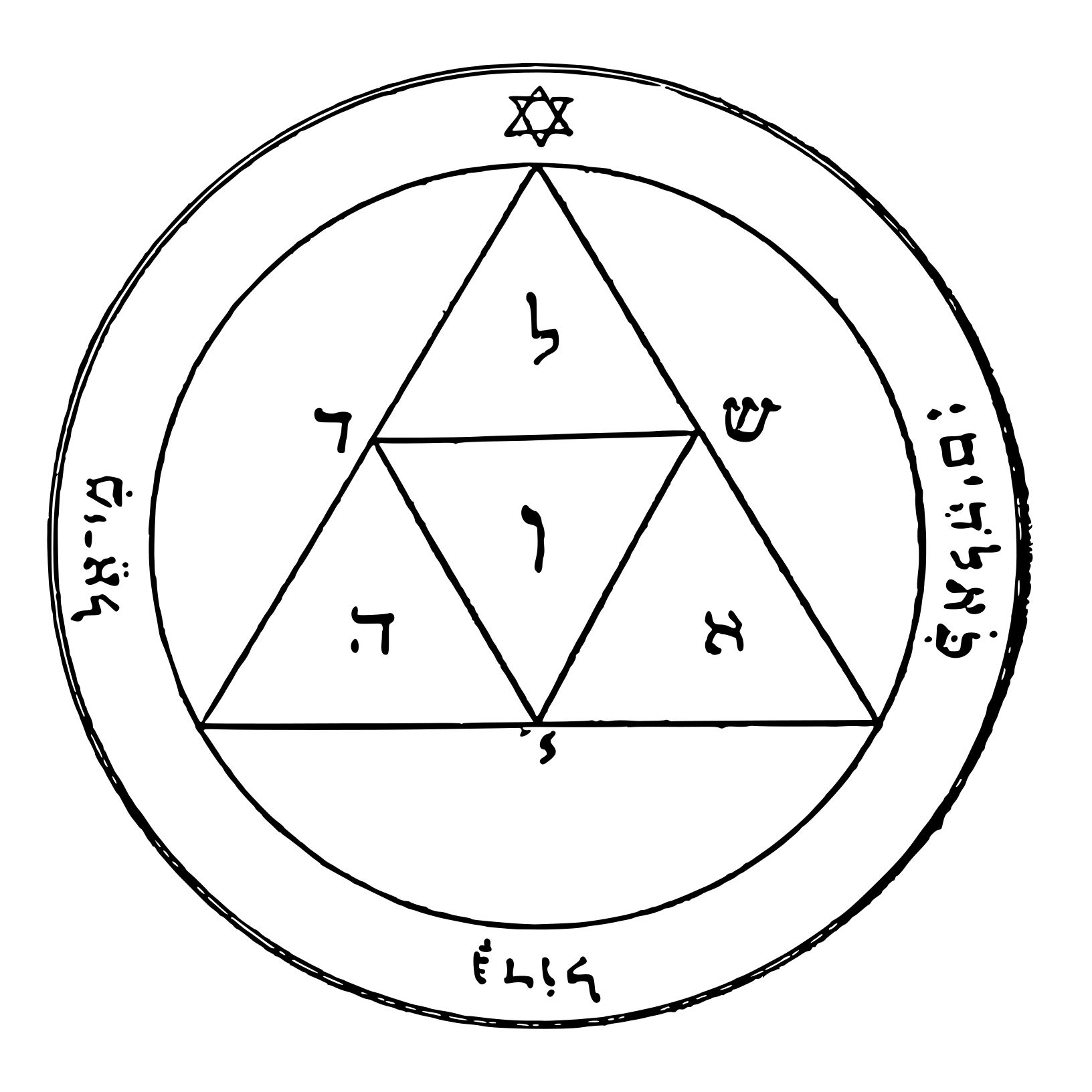 The Third Pentacle of Mars
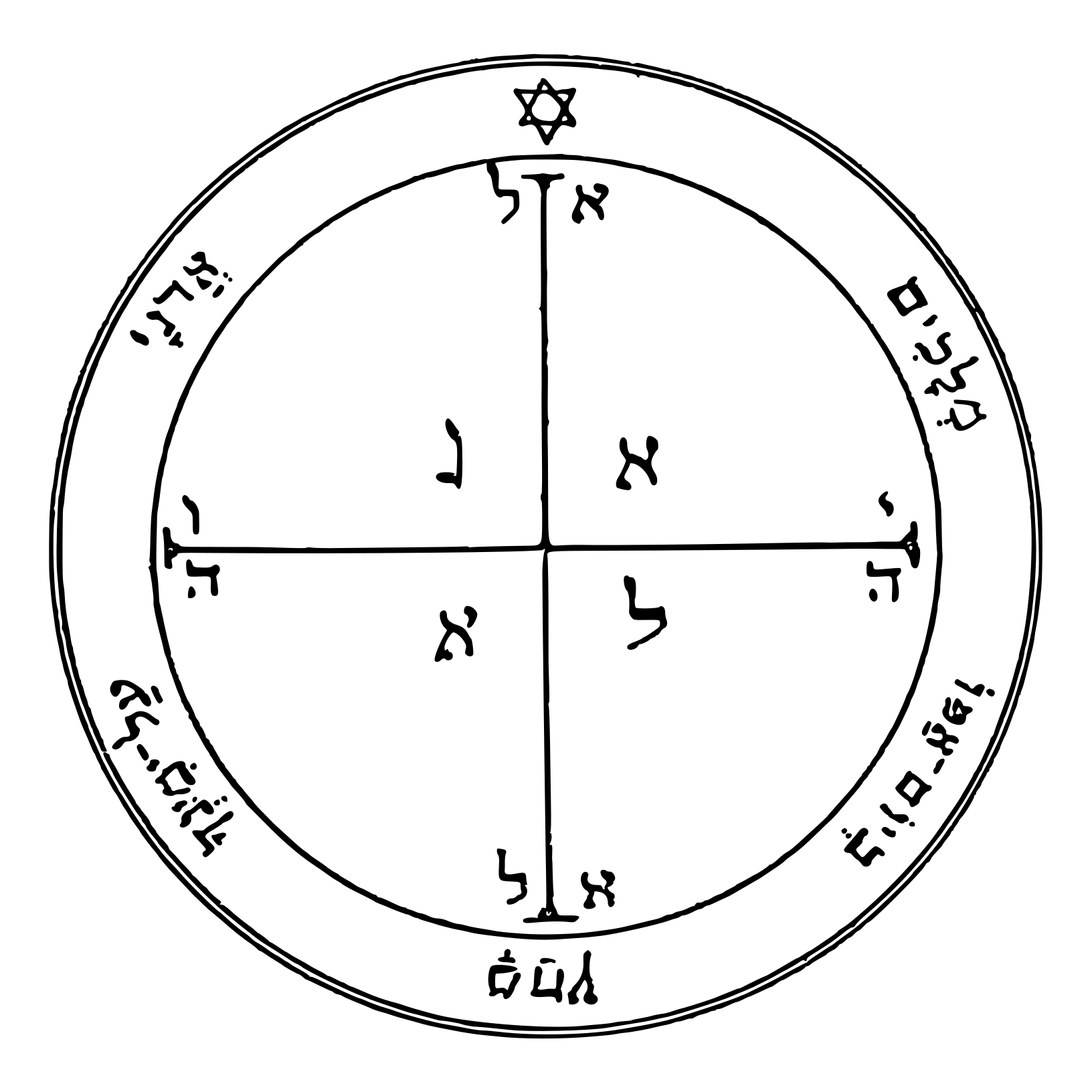 The Fourth Pentacle of Mars
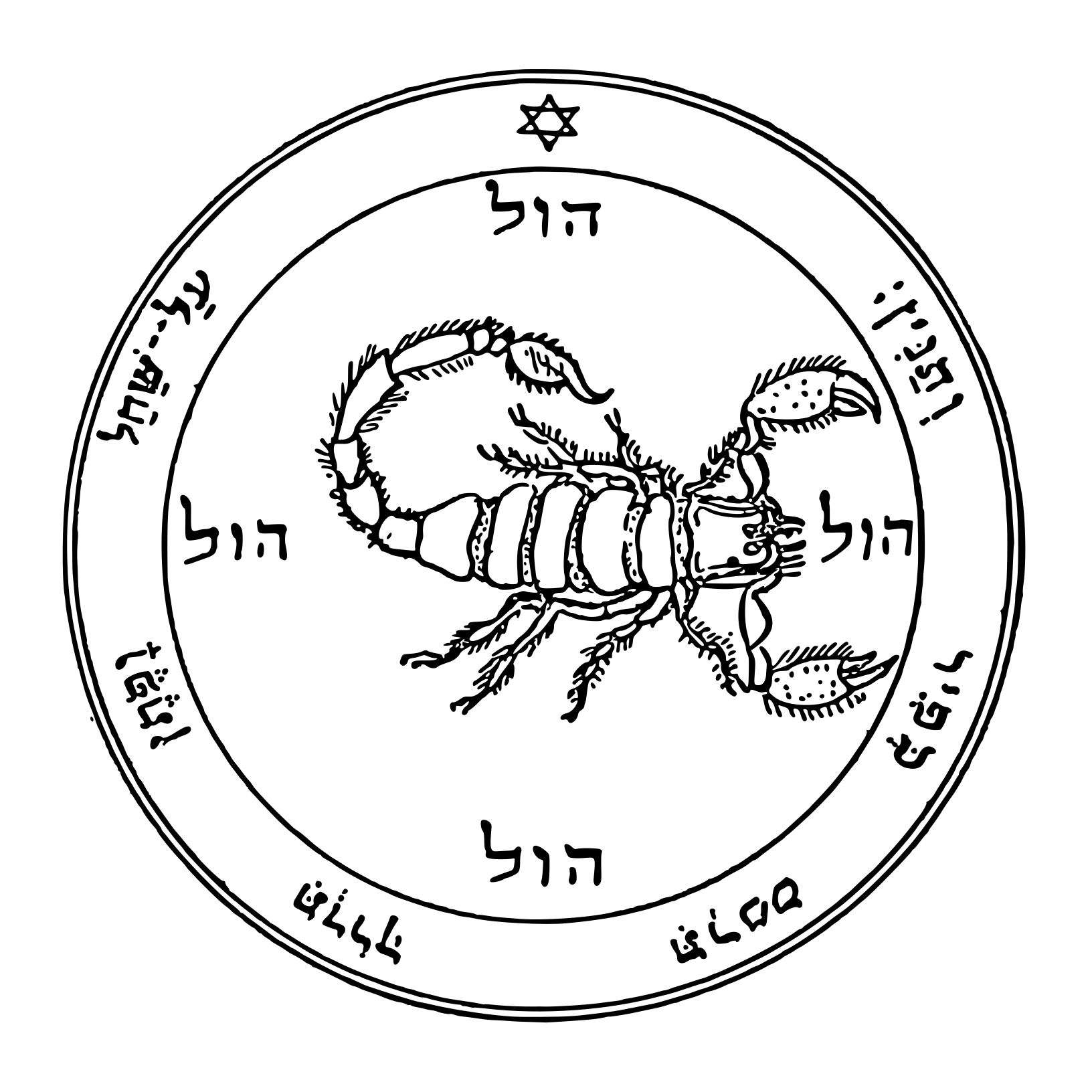 The Fifth Pentacle of Mars
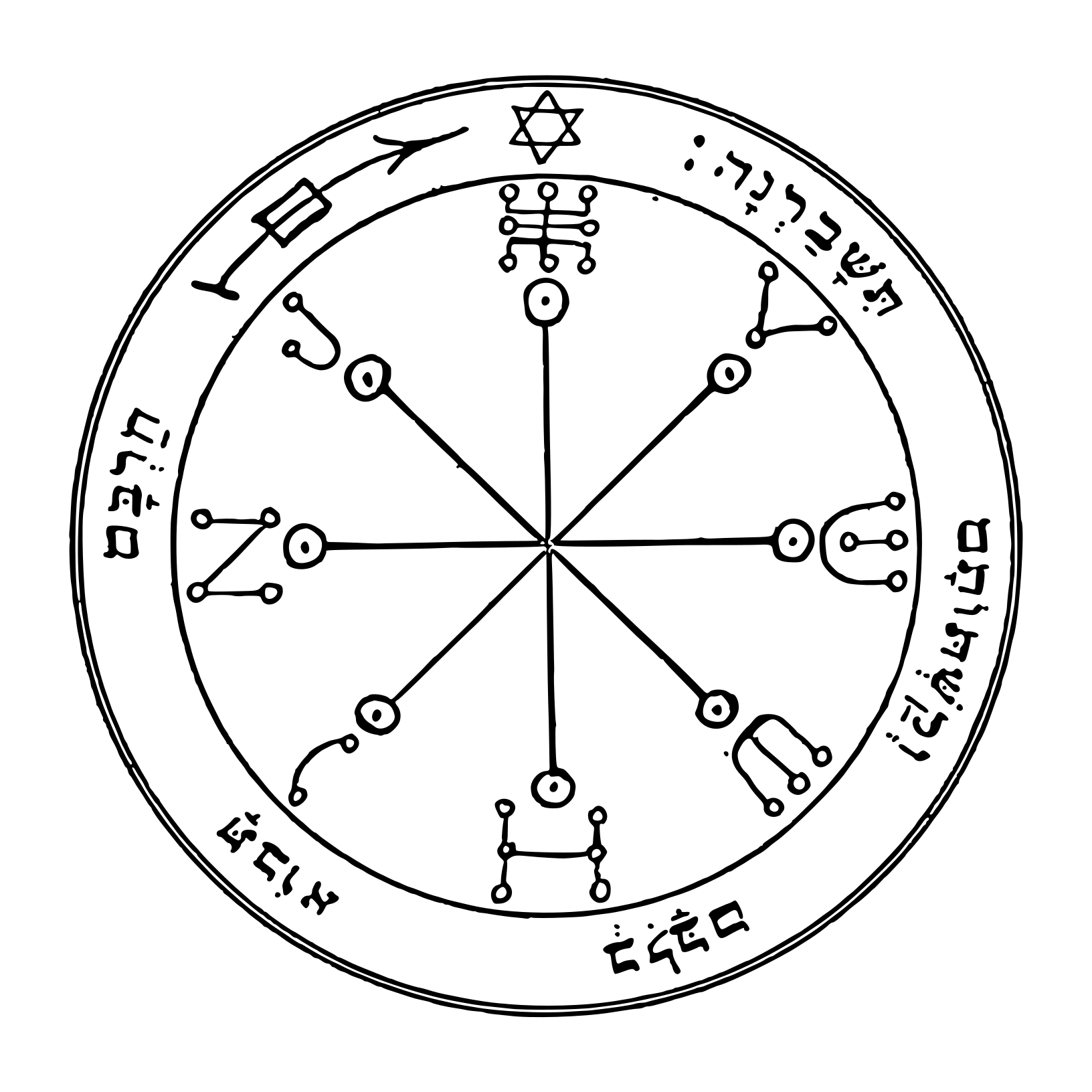 The Sixth Pentacle of Mars
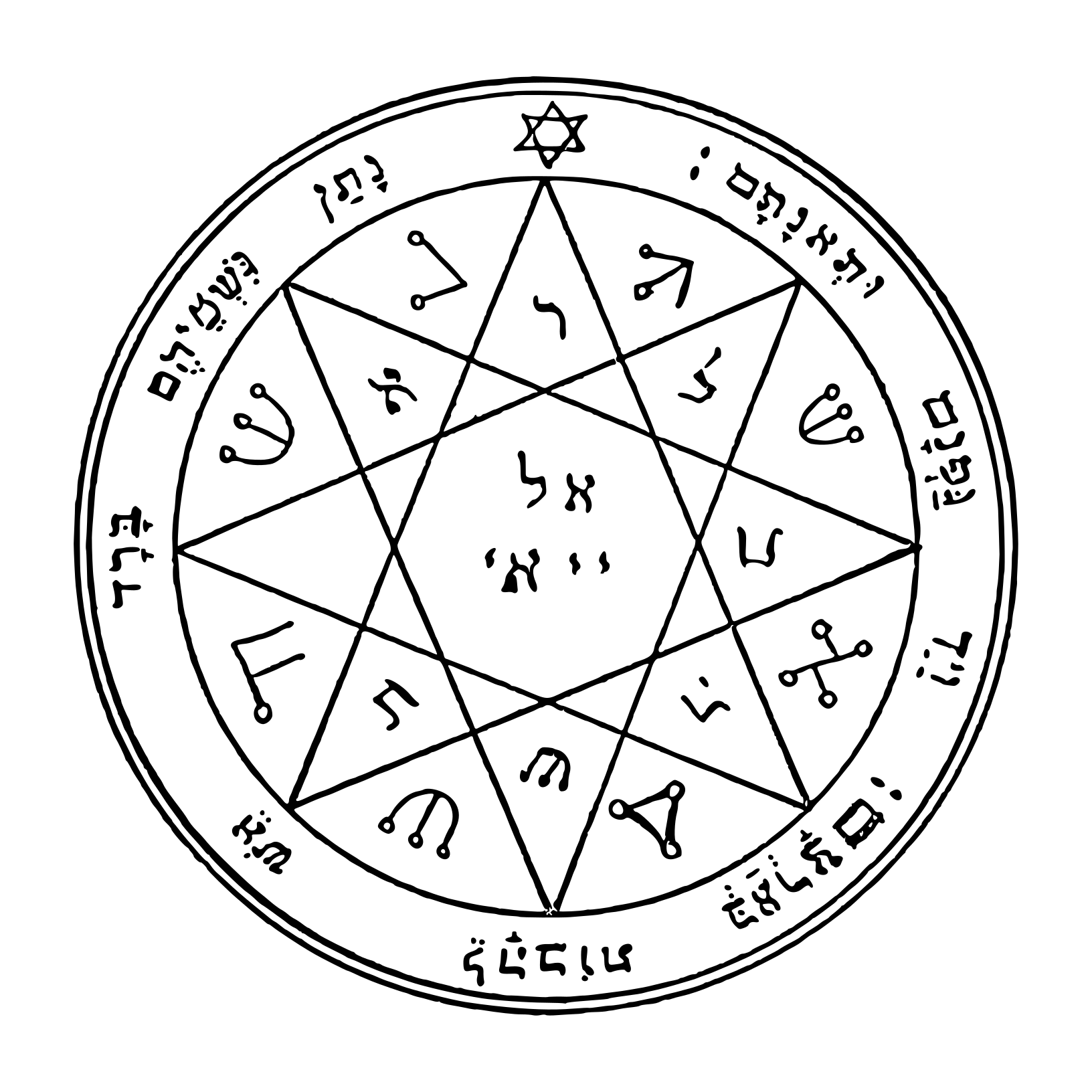 The Seventh and Last Pentacle of Mars
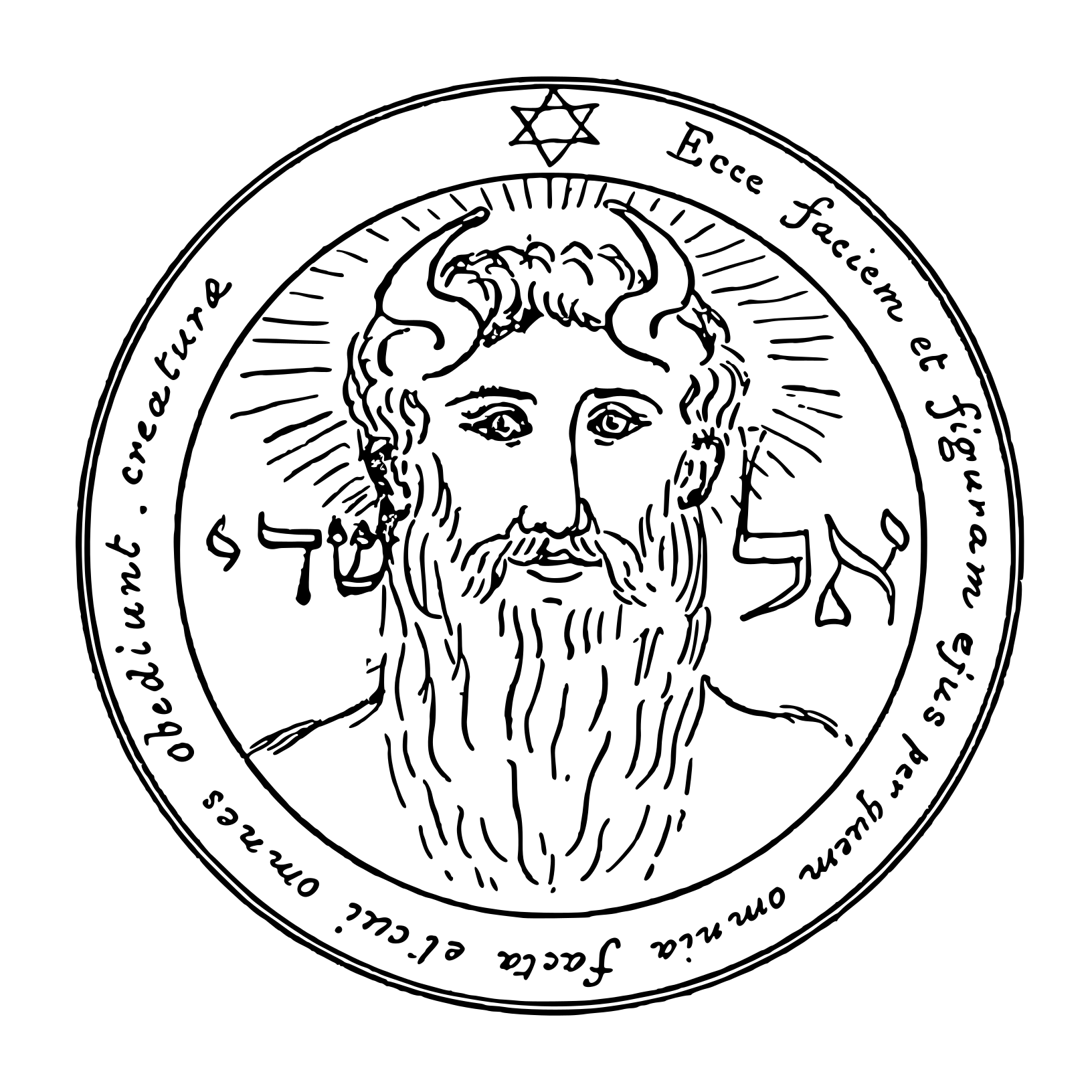 The First Pentacle of the Sun
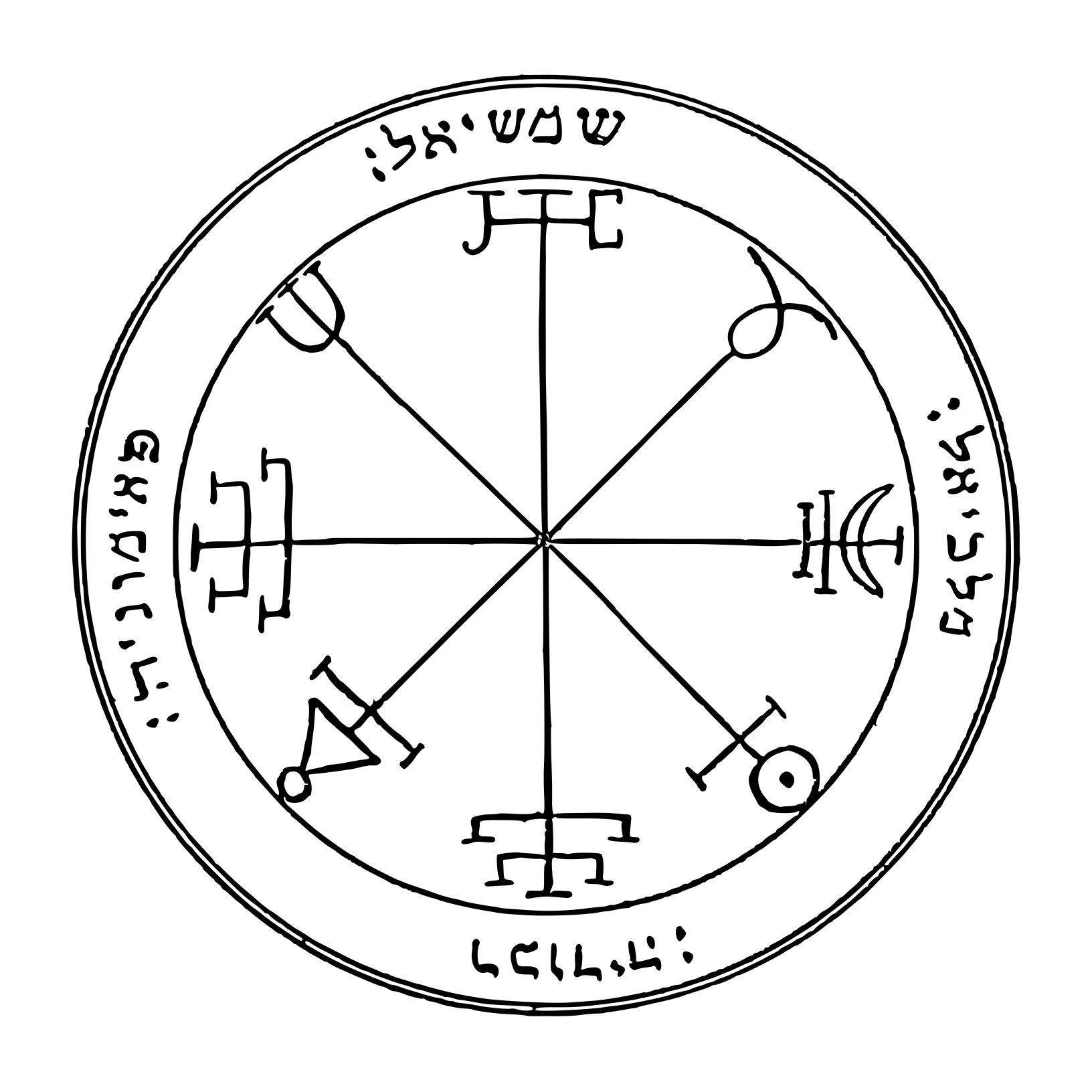 The Second Pentacle of the Sun
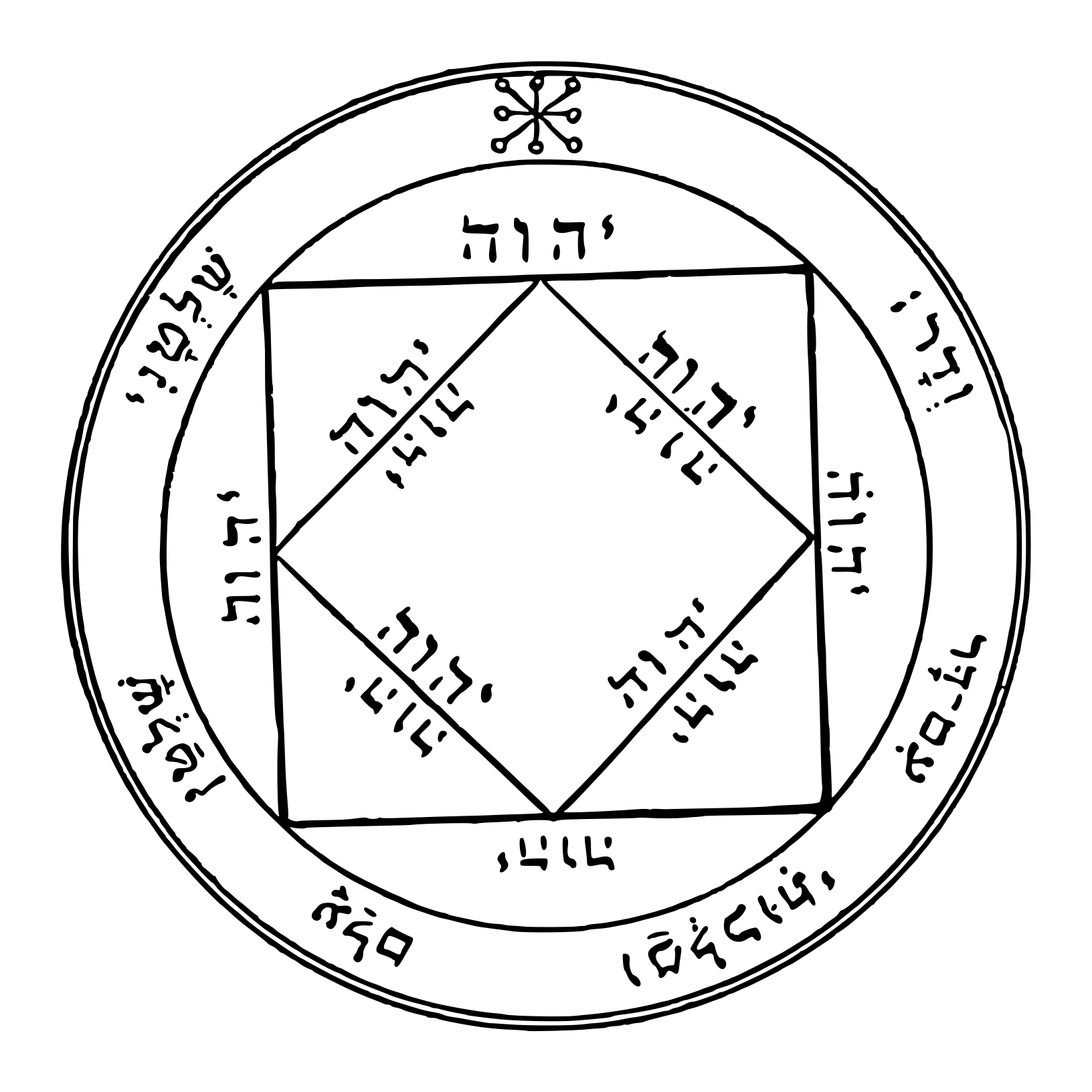 The Third Pentacle of the Sun
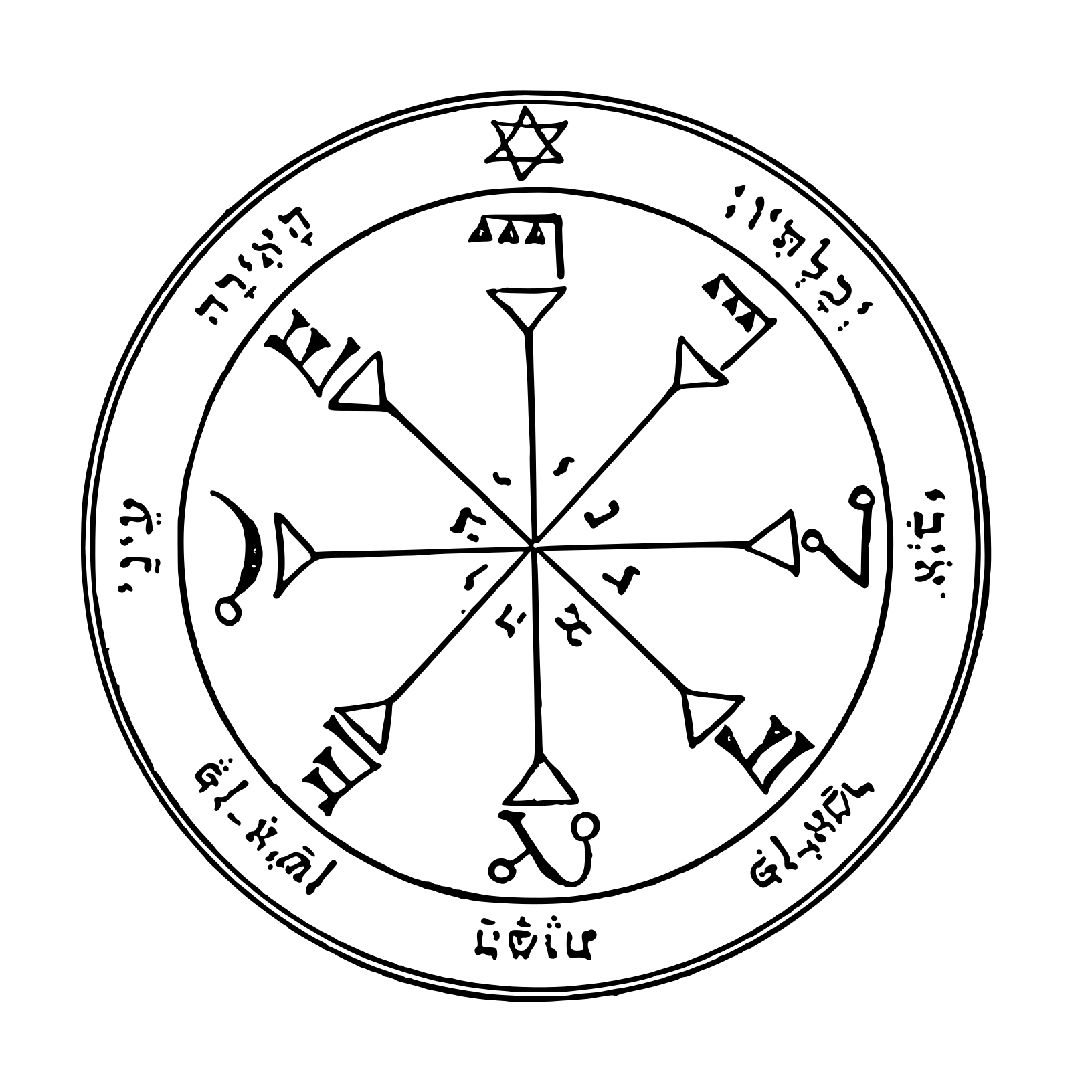 The Fourth Pentacle of the Sun
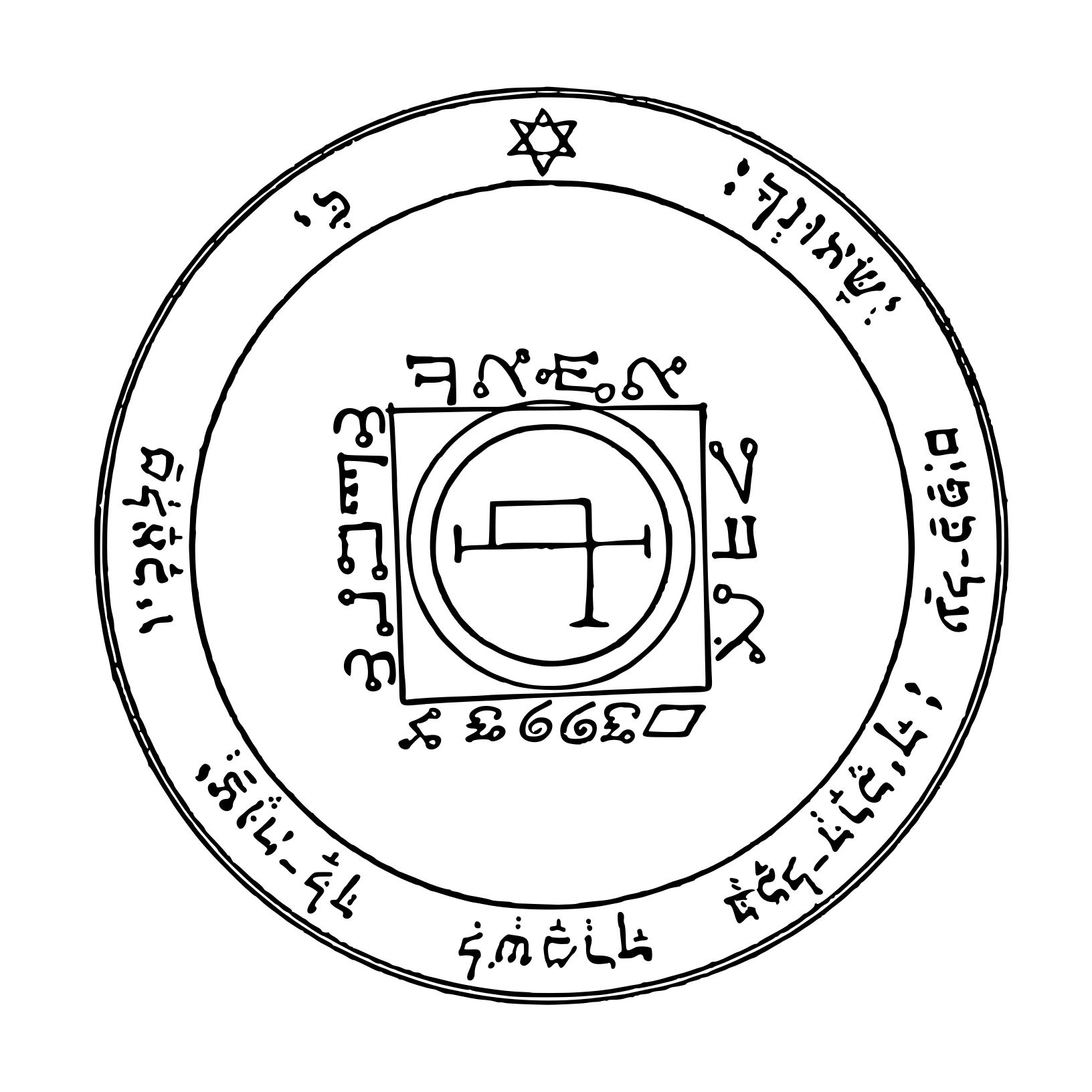 The Fifth Pentacle of the Sun
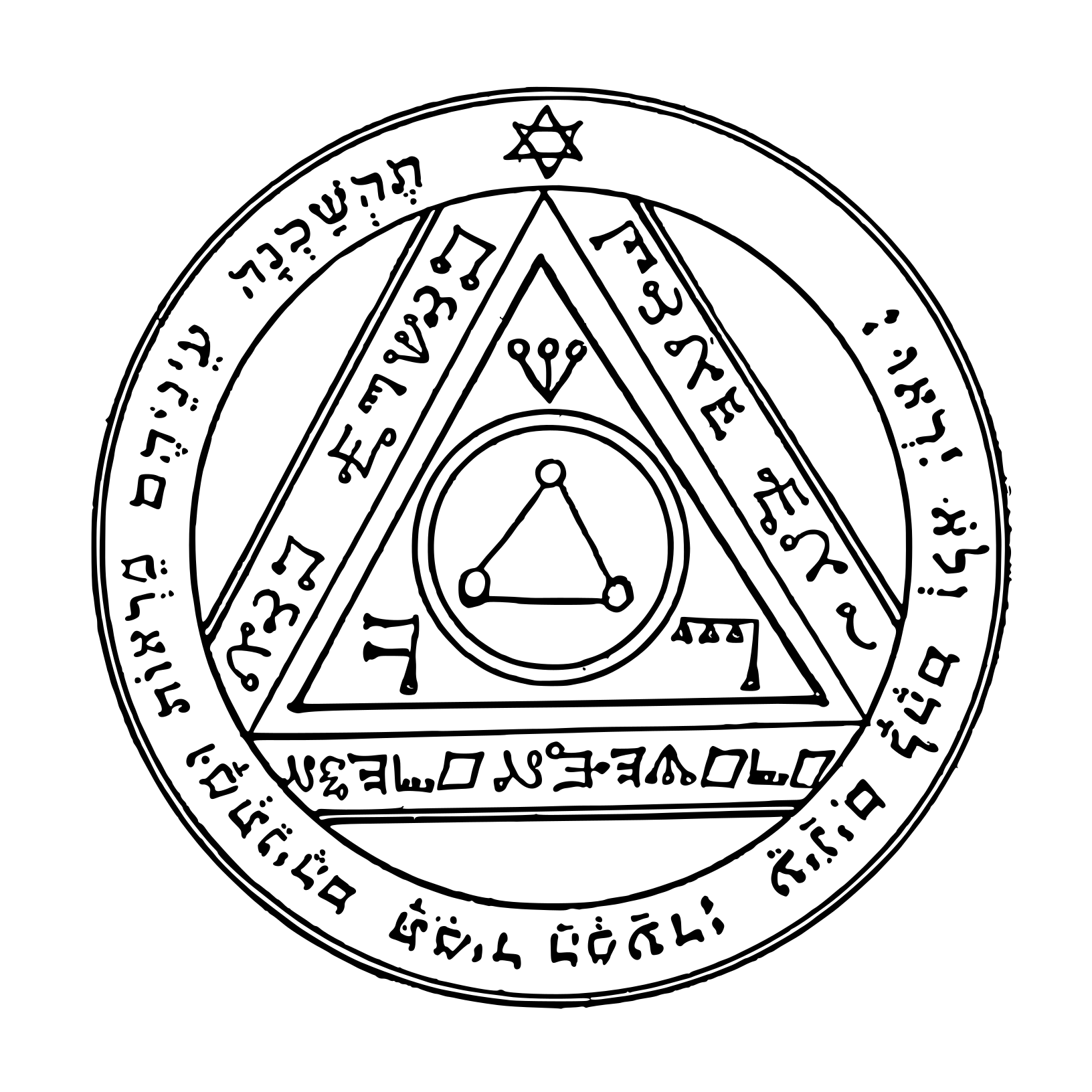 The Sixth Pentacle of the Sun
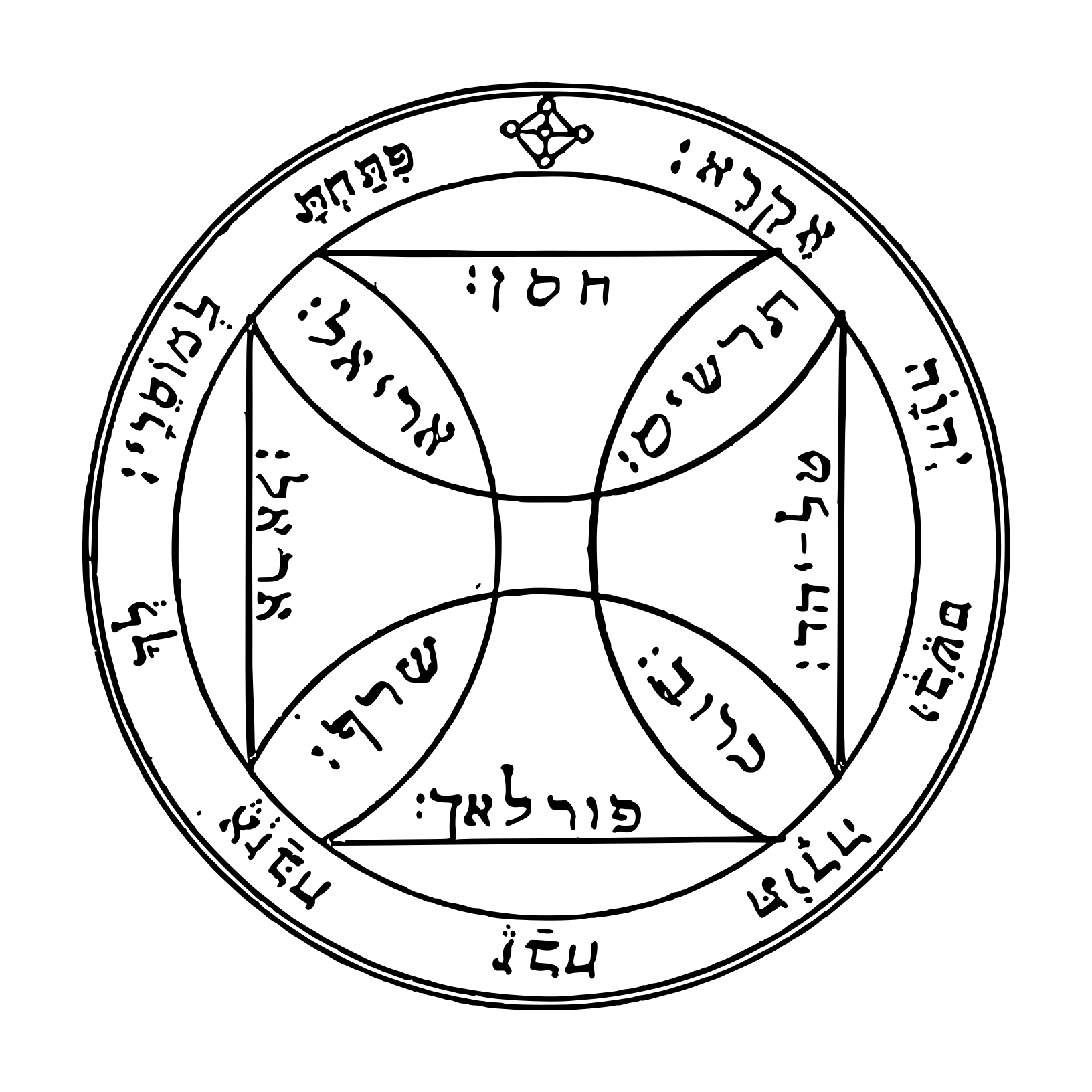 The Seventh and Last Pentacle of the Sun
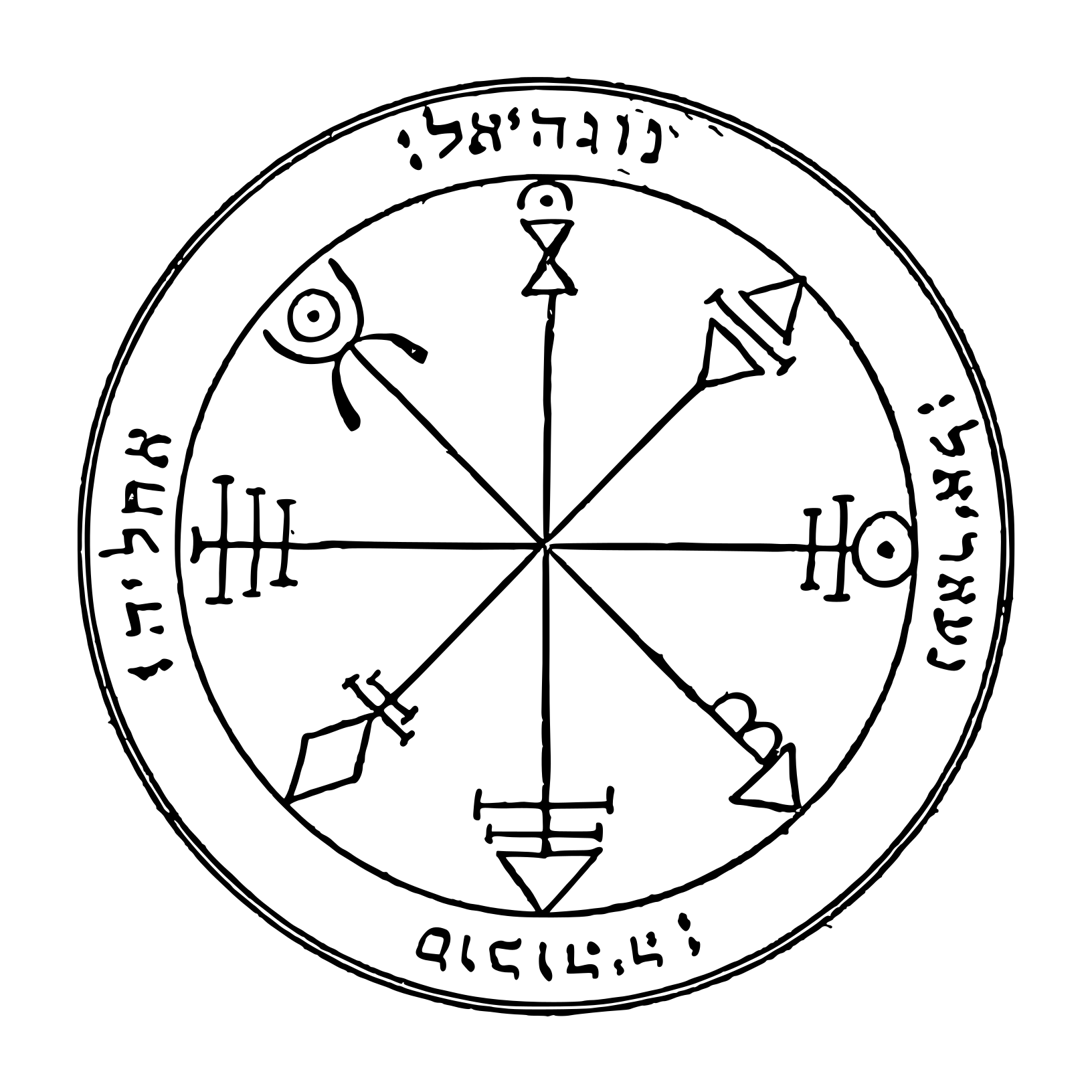 The First Pentacle of Venus
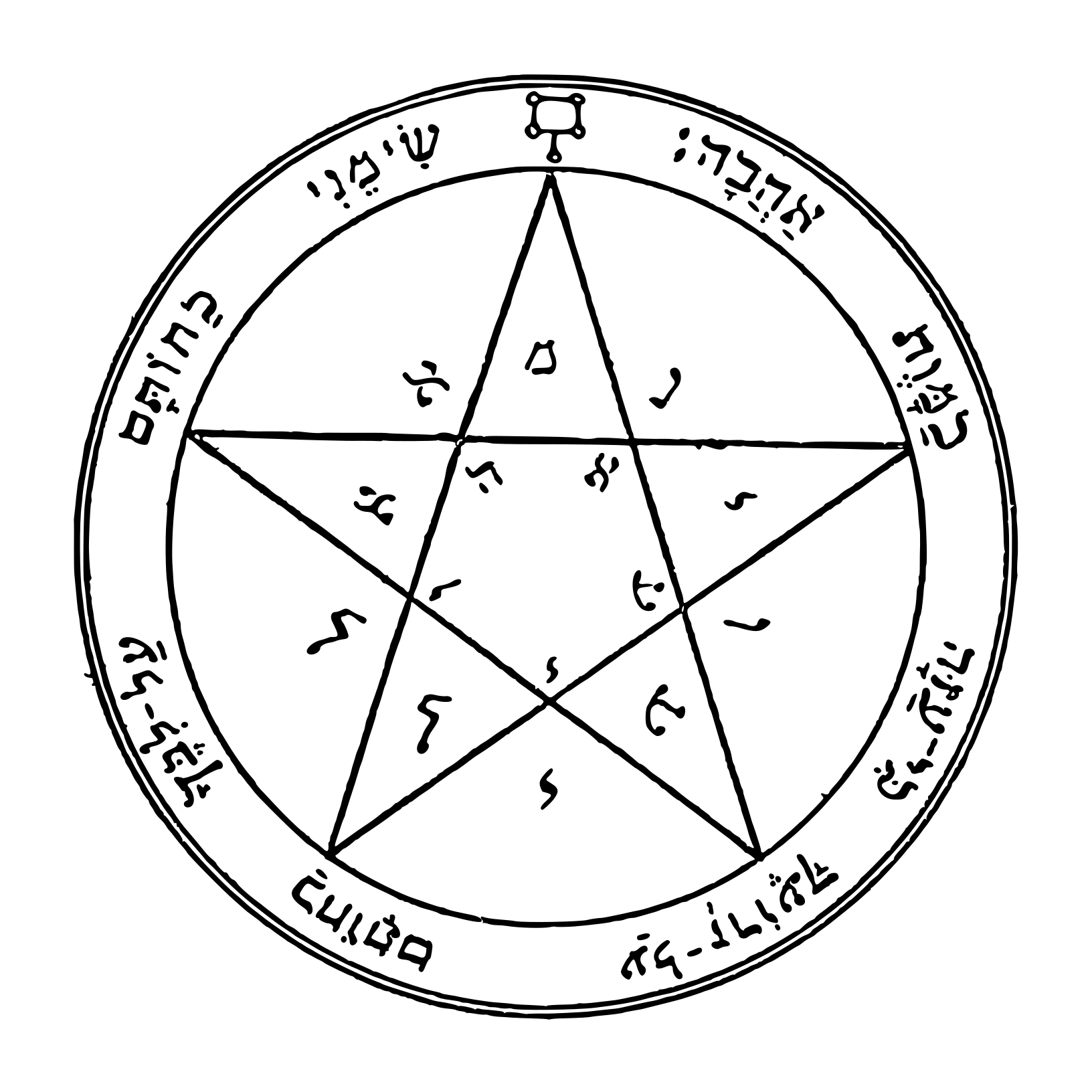 The Second Pentacle of Venus
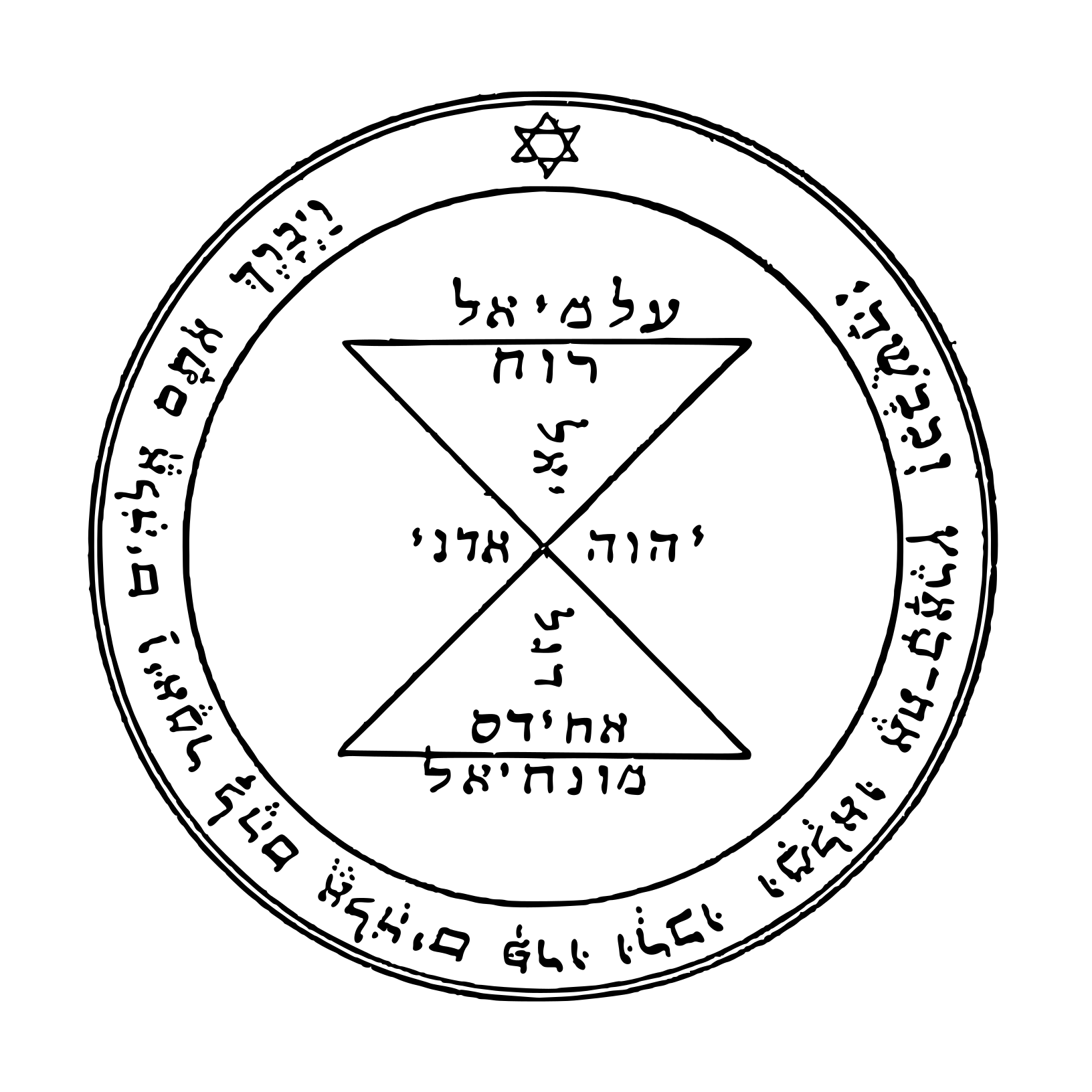 The Third Pentacle of Venus
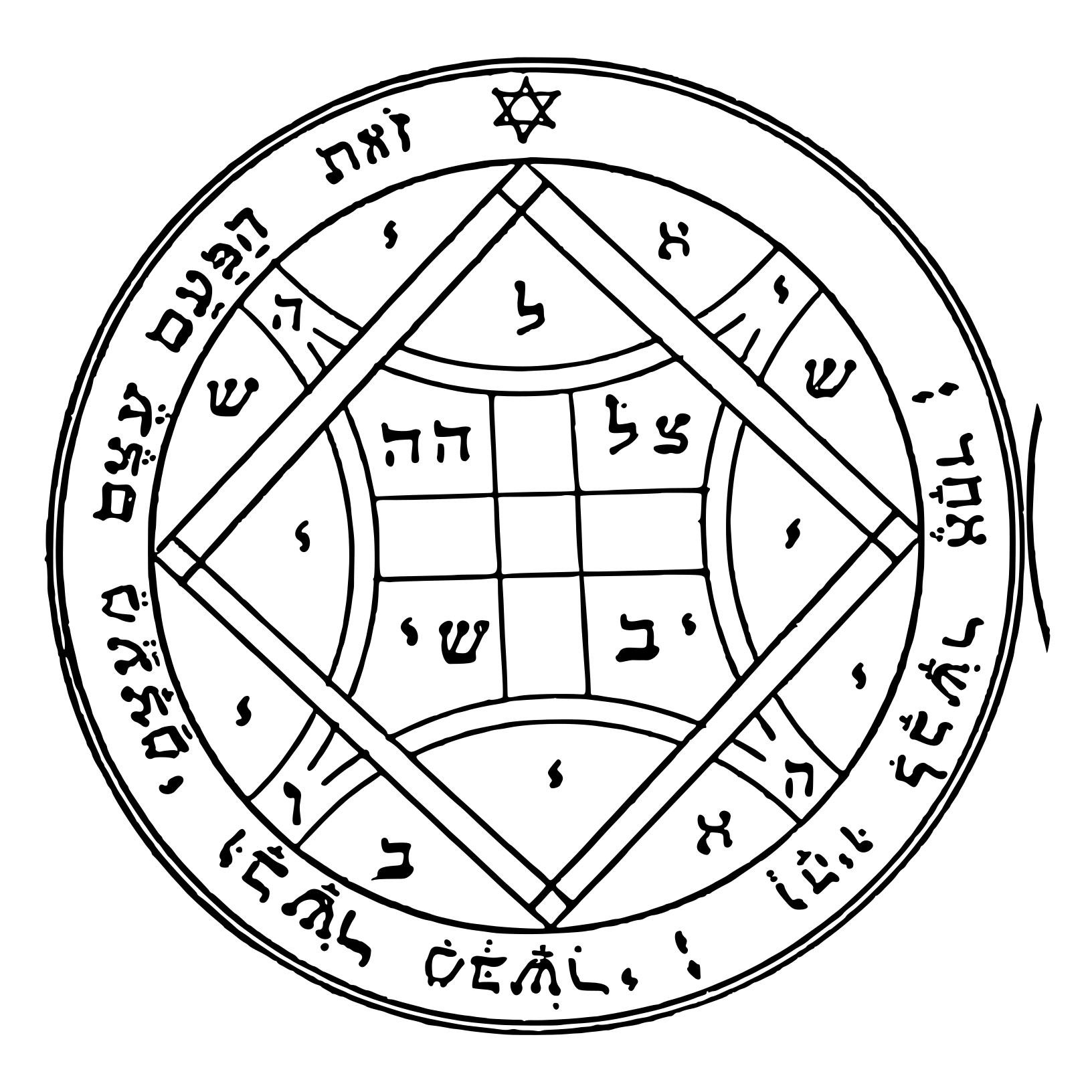 The Fourth Pentacle of Venus
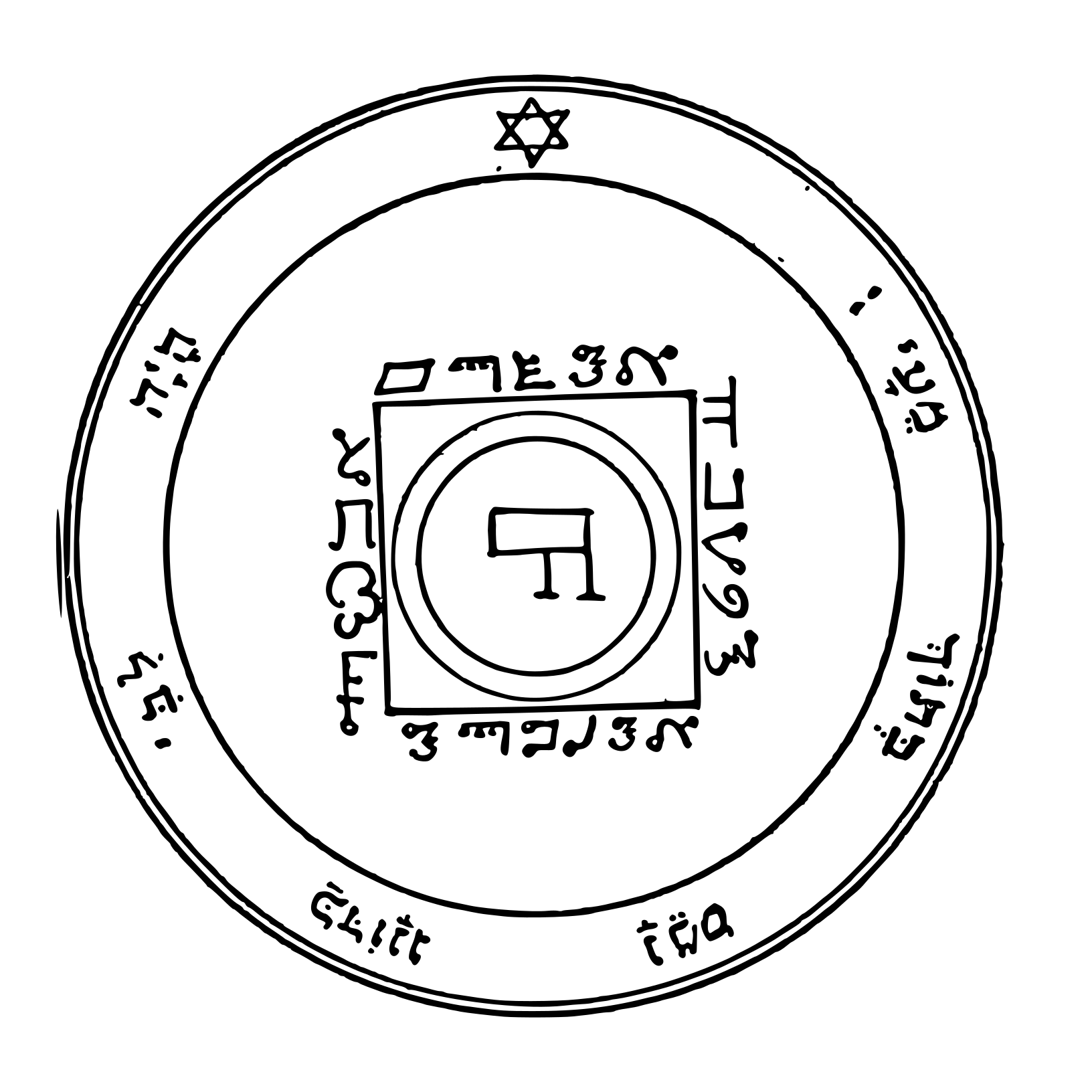 The Fifth and Last Pentacle of Venus
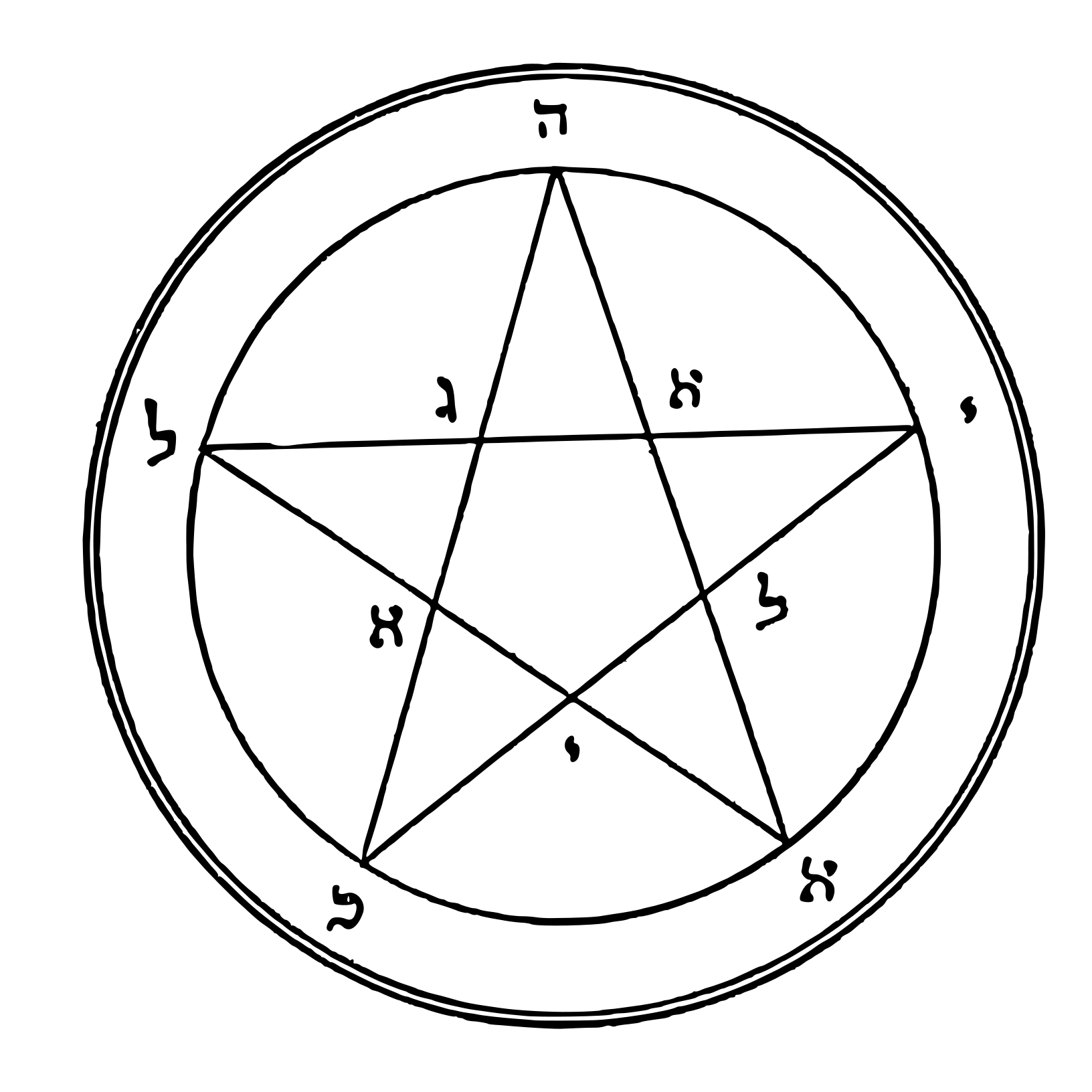 The First Pentacle of Mercury
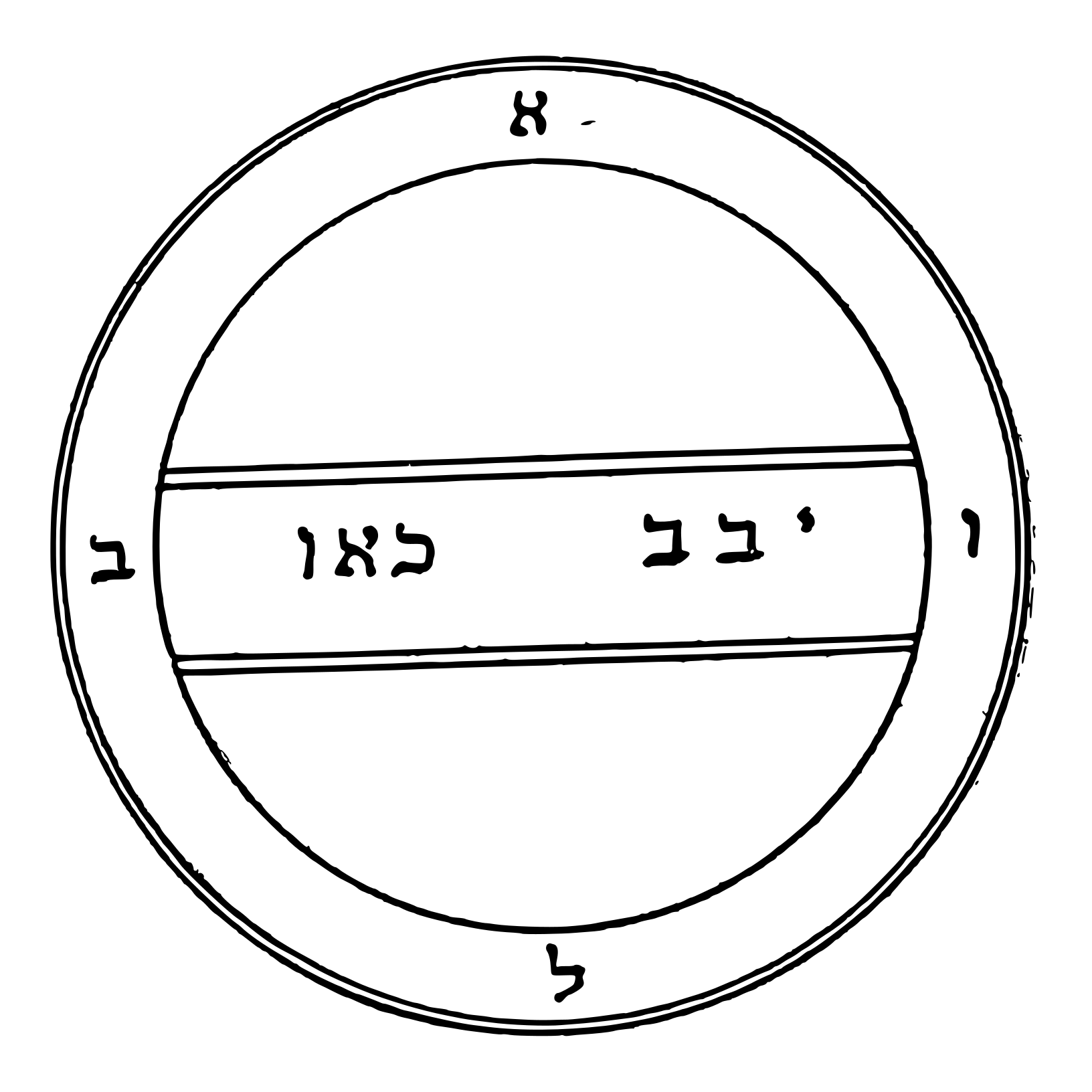 The Second Pentacle of Mercury
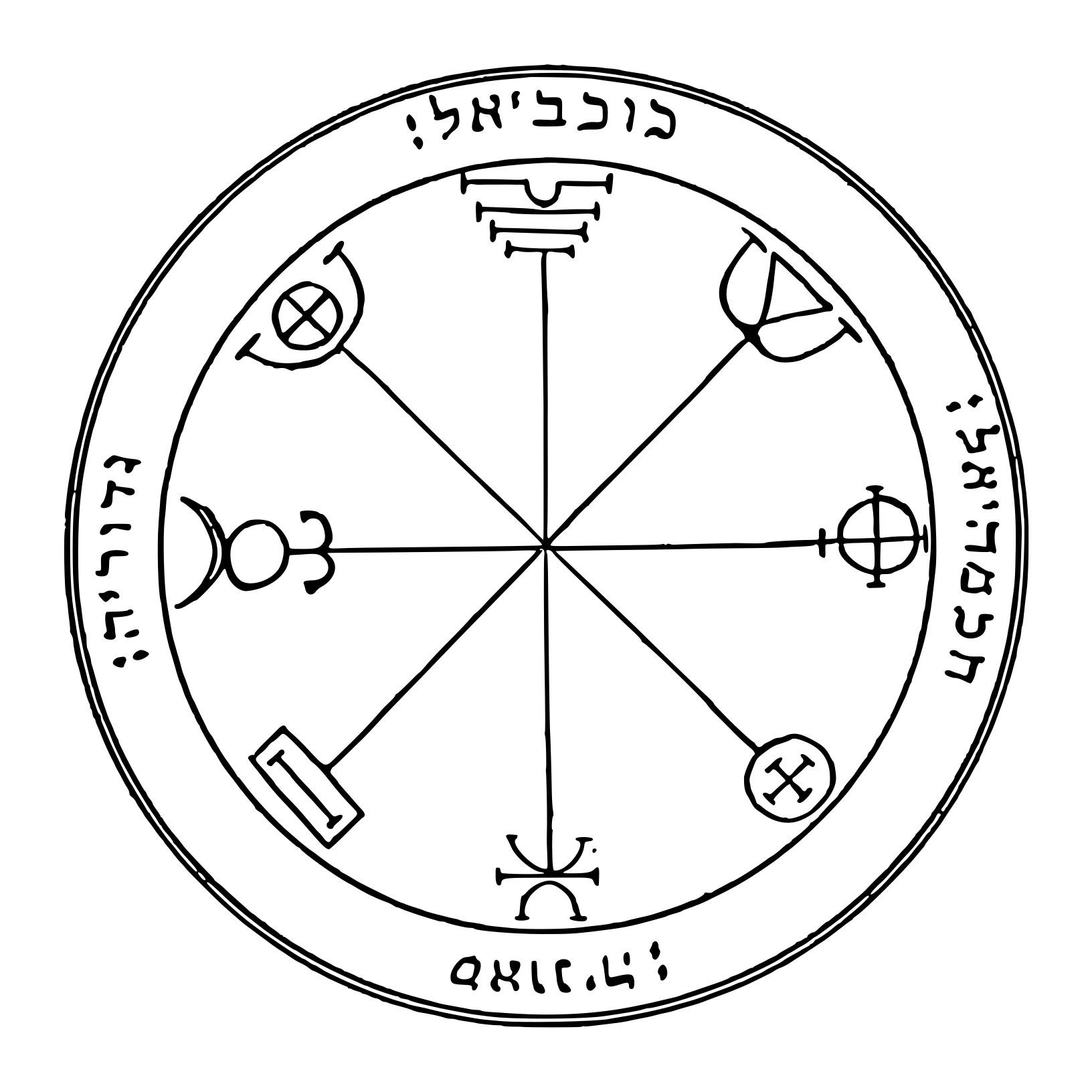 The Third Pentacle of Mercury
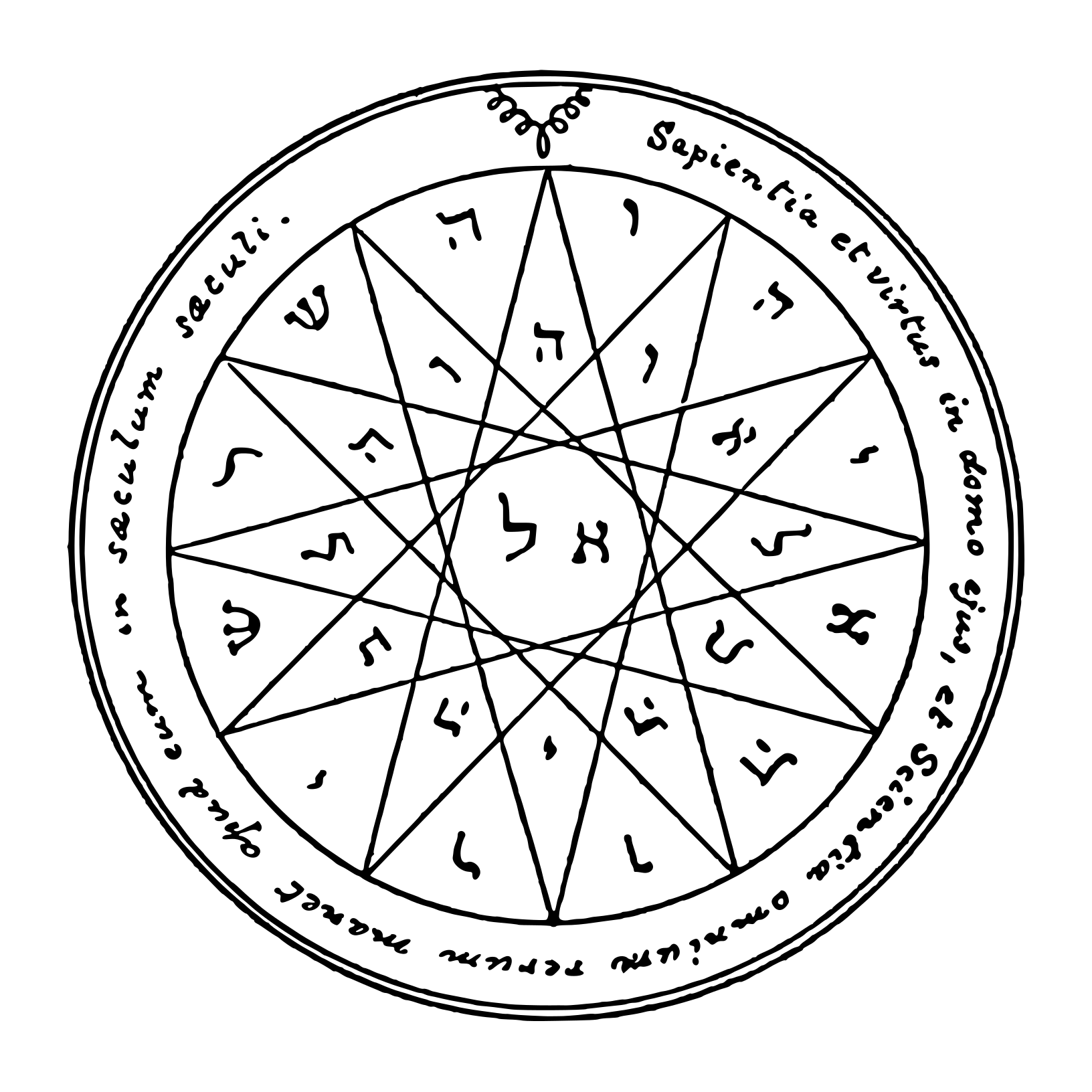 The Fourth Pentacle of Mercury
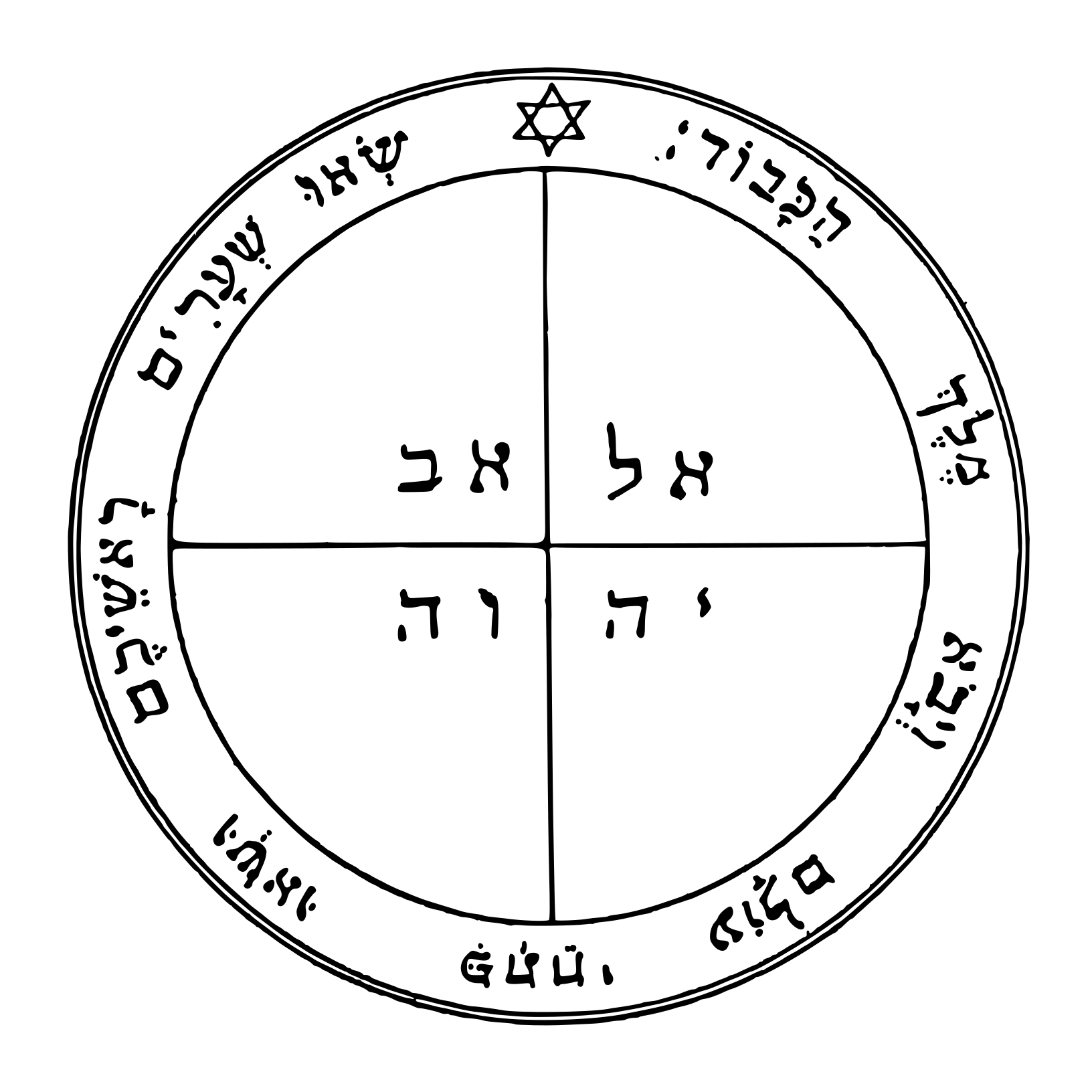 The Fifth and Last Pentacle of Mercury
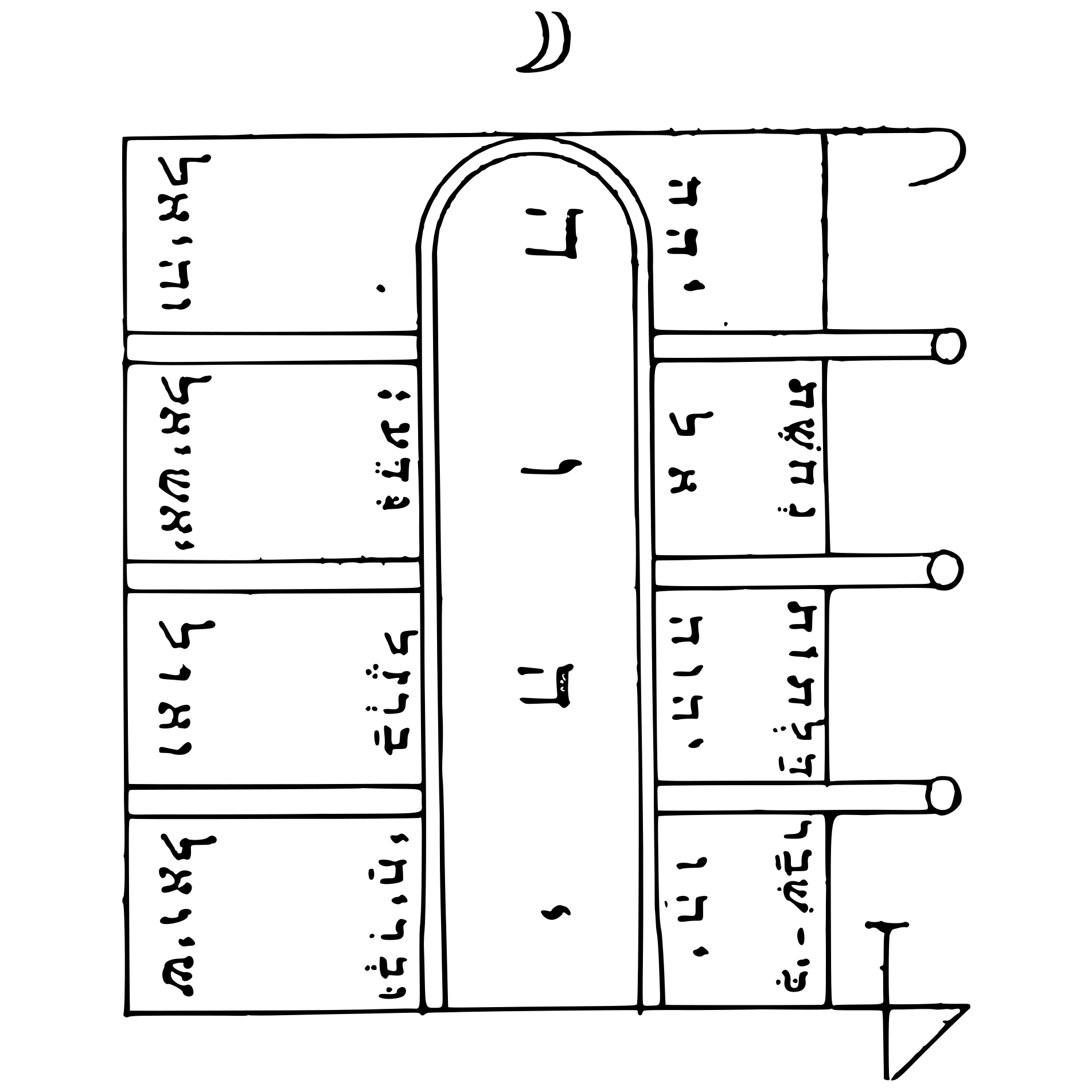 The First Pentacle of the Moon
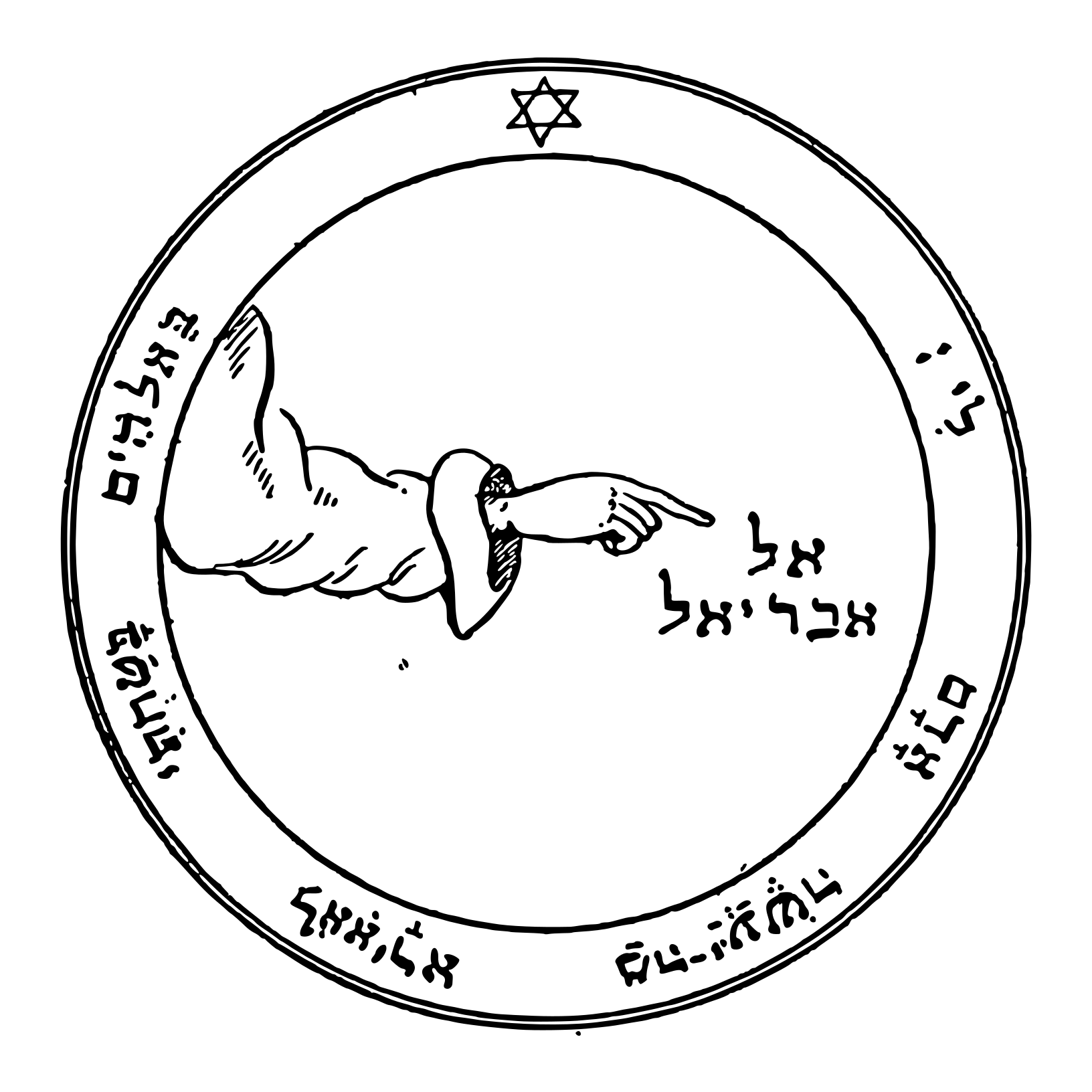 The Second Pentacle of the Moon
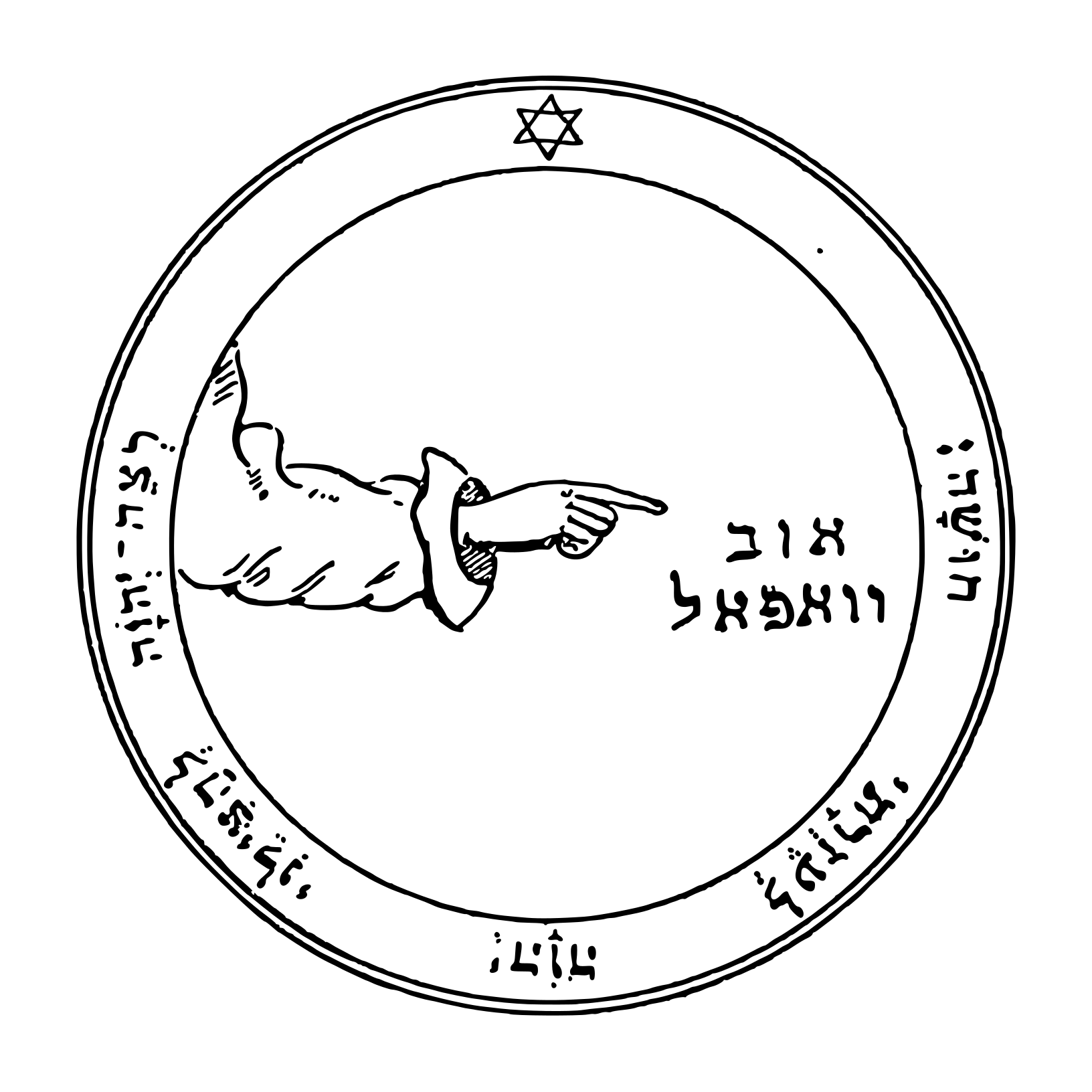 The Third Pentacle of the Moon
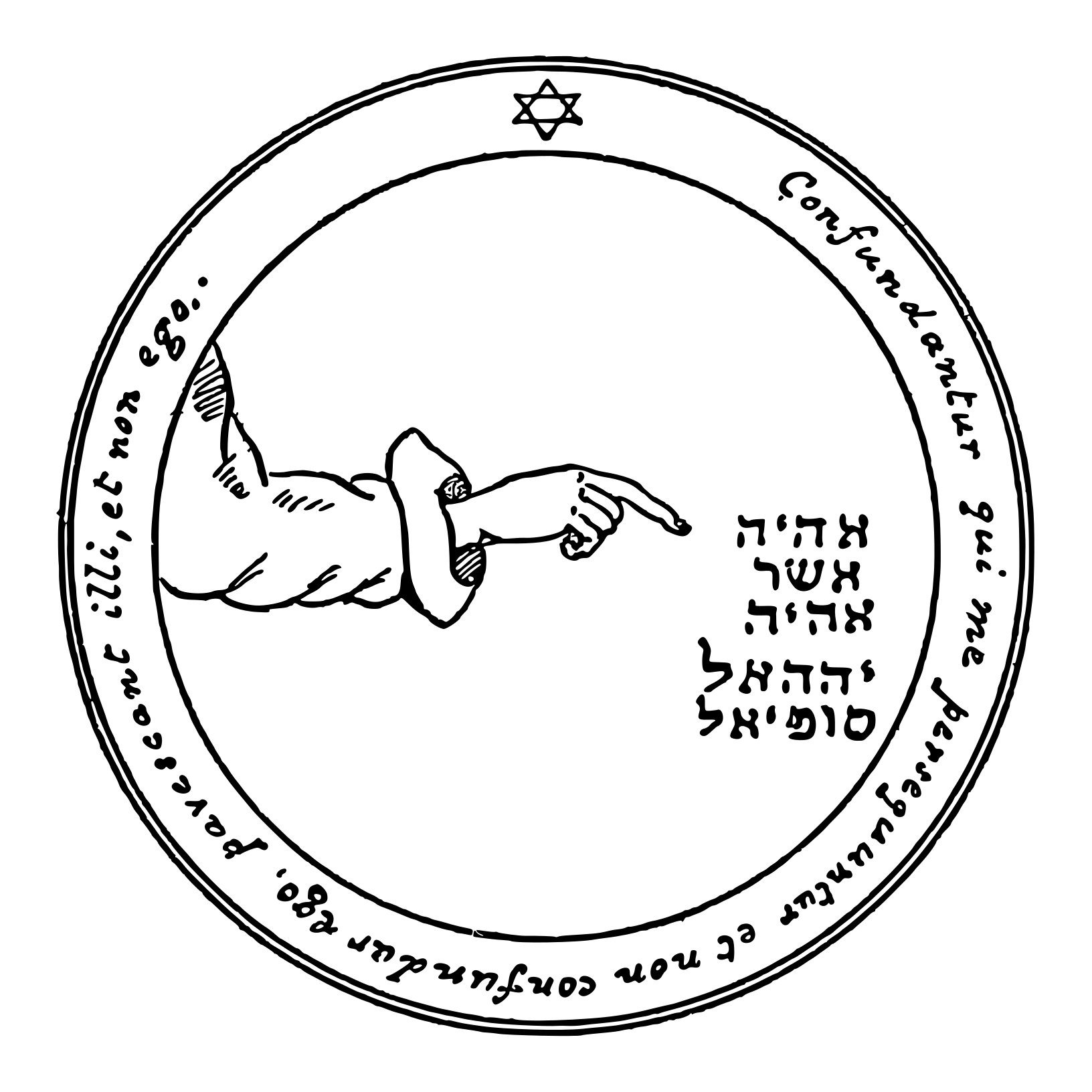 The Fourth Pentacle of the Moon
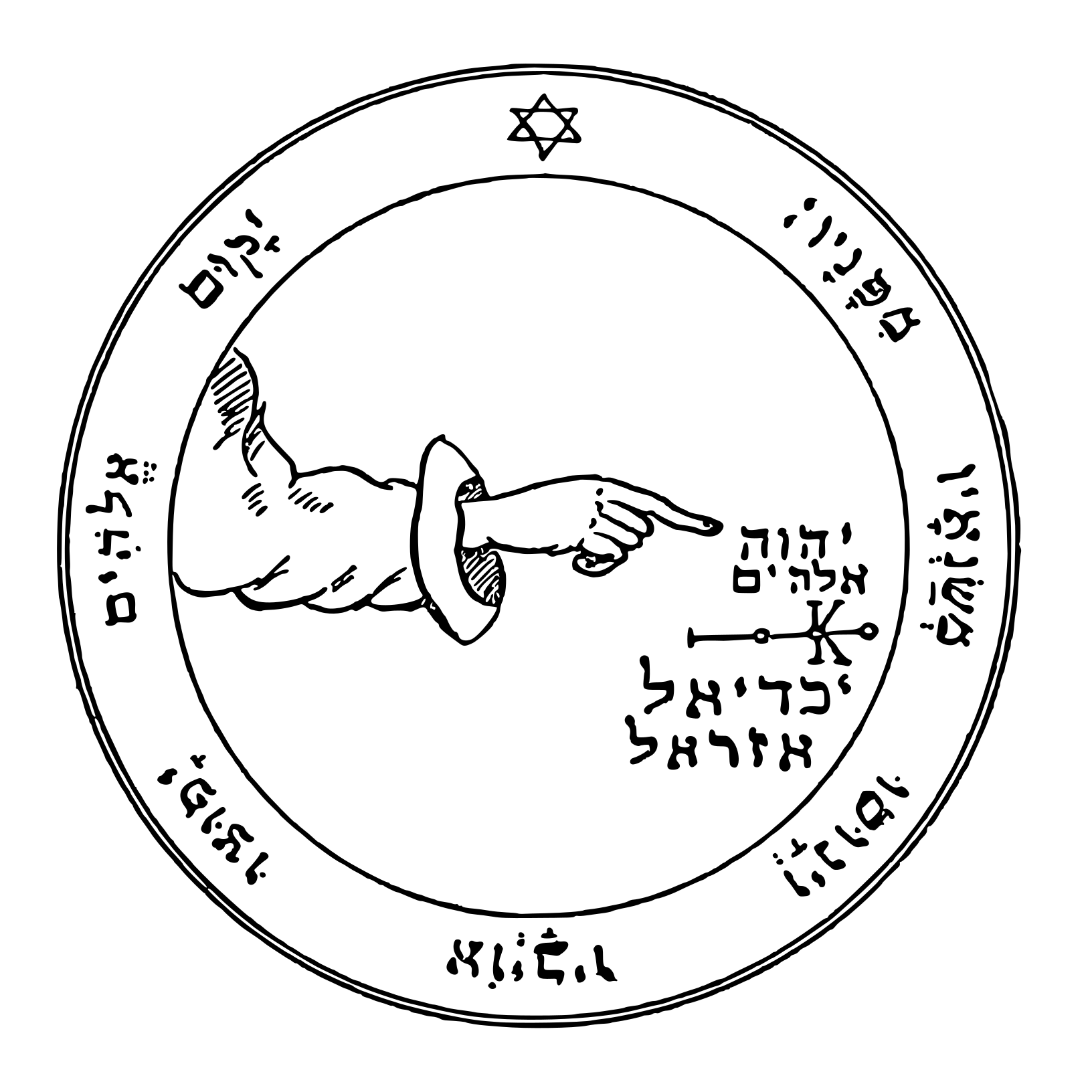 The Fifth Pentacle of the Moon
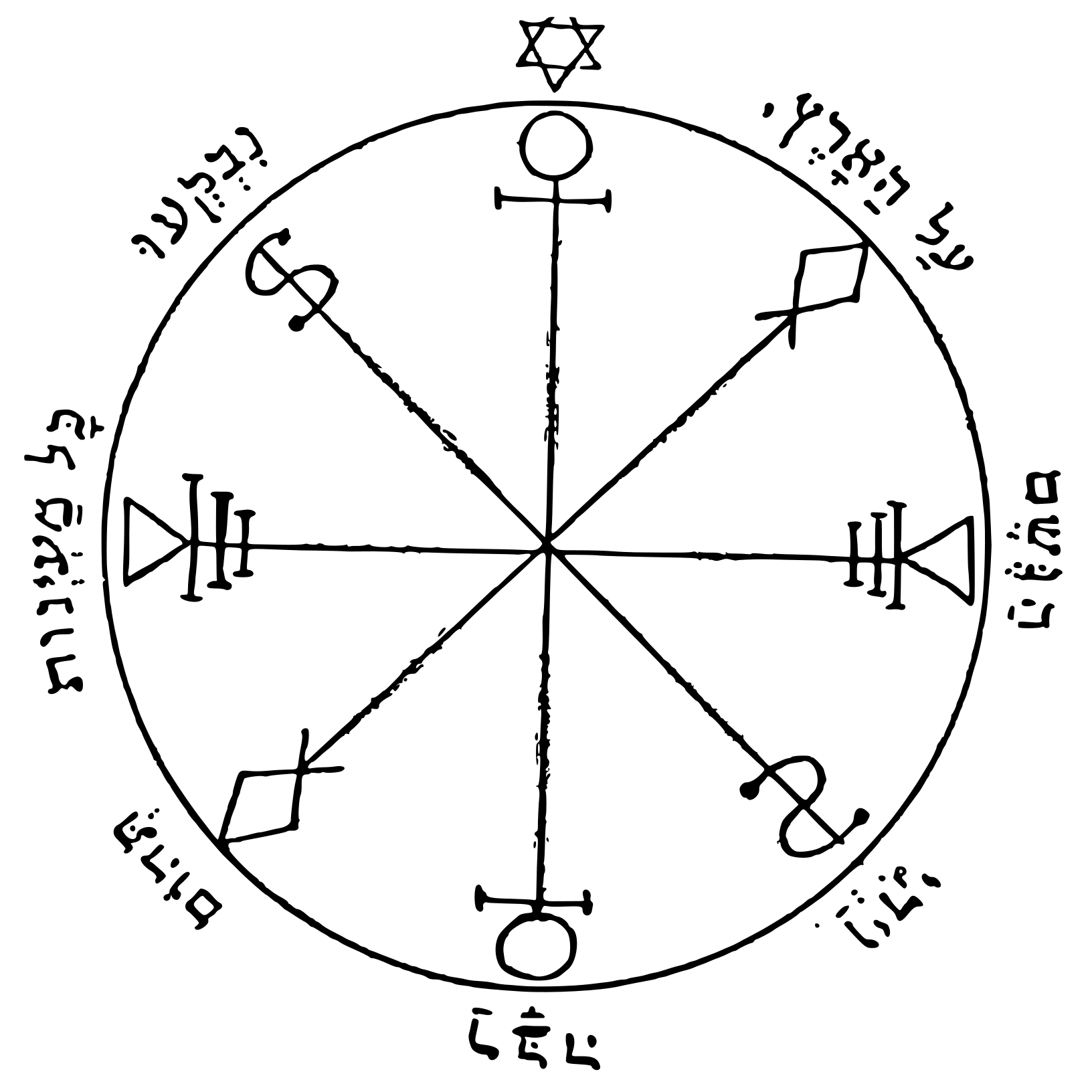 The Sixth and Last Pentacle of the Moon
Forty-four is Mathers’ number, not a fixed canon. The manuscripts disagree with one another — some carry a dozen pentacles, some more than forty — and in the older ones only some of them are tied to a planet at all. What is shown here is the set as he printed it, which is the set every later reproduction descends from.
Clavicula Salomonis, manuscripts of the 16th and 17th centuries. Edited and printed 1889. The text and the pentacles are in the public domain.
The Ars Goetia — The seventy-two spirits of the Lesser Key of Solomon, each with the seal set down beside it. 72 seals.
The Olympic Spirits — The seven governors of the Arbatel, who divide the world between them and each rule it in turn for 490 years. 7 characters.
The Angels of the Days — The seven angels who govern the days of the week, each with the sigil the Heptameron sets beside him. 7 sigils.
The Elder Futhark — The twenty-four runes of the oldest runic alphabet, each with the stanza the Old English Rune Poem gives it. 24 runes.